

Feb . 11, 2026 00:01 Back to list
1 2 ppr pipe factories Performance Analysis
Introduction
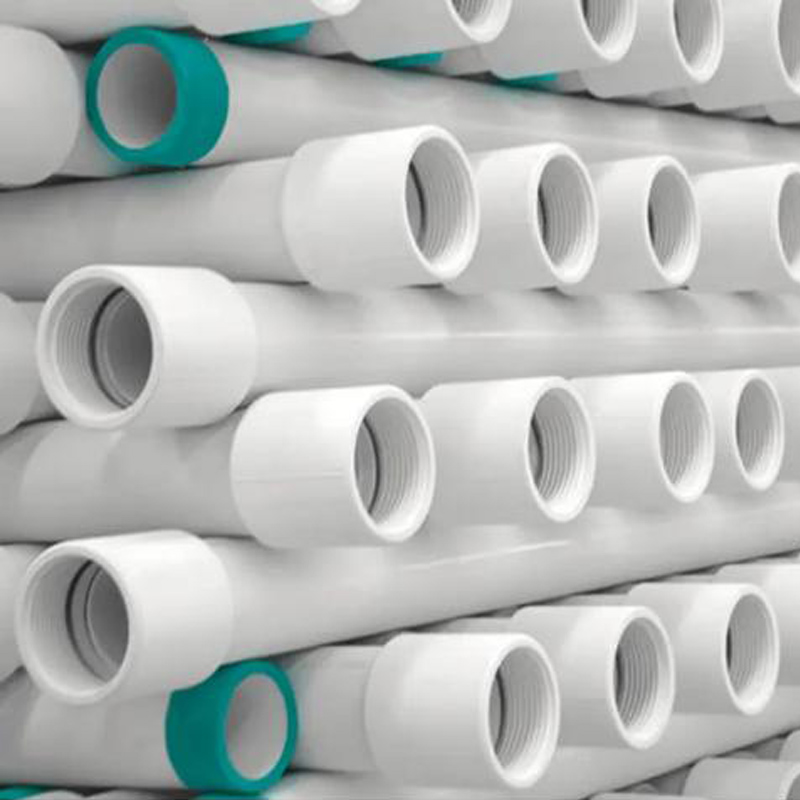
Polypropylene Random Copolymer (PPR) piping systems have become a mainstay in modern plumbing and fluid conveyance applications. 1 2 PPR pipe factories represent a critical segment of the construction and infrastructure supply chain, providing pipes for potable water, heating, and cooling systems. This technical guide provides an in-depth analysis of PPR pipe manufacturing, material science, performance characteristics, failure modes, and relevant industry standards. PPR offers advantages over traditional materials like copper and PVC, including corrosion resistance, thermal stability, and ease of installation. However, understanding its limitations and ensuring proper installation and maintenance are crucial for long-term performance. The pressure rating of a PPR pipe, typically denoted as PN (Nominal Pressure), is a key performance indicator, commonly ranging from PN16 to PN25, dictating the maximum allowable operating pressure at a given temperature. This guide will delve into the intricacies of these ratings and their correlation with material composition and manufacturing processes.
Material Science & Manufacturing
PPR pipes are manufactured from polypropylene random copolymer, a thermoplastic polymer produced by the polymerization of propylene. The “random” copolymer designation indicates that the comonomer, typically ethylene, is randomly distributed along the polypropylene chain, disrupting the crystallinity and improving impact resistance and flexibility. Raw material quality is paramount. The polypropylene resin must meet stringent specifications for melt flow index (MFI), molecular weight distribution (MWD), and ash content.
The manufacturing process typically involves extrusion. Polypropylene granules are fed into an extruder, where they are heated and melted. The molten polymer is then forced through a die to form the pipe shape. Key process parameters include barrel temperature profile, screw speed, and die pressure. Precise control of these parameters is critical to ensure consistent wall thickness and dimensional accuracy. Subsequent cooling, typically using a water bath, solidifies the pipe. Hydrostatic testing is a standard quality control measure, subjecting the pipes to internal pressure to verify their integrity. The degree of crystallinity in the PPR resin significantly affects the pipe’s performance. Higher crystallinity leads to increased stiffness and tensile strength but reduced impact resistance. Manufacturers carefully balance these properties by adjusting the ethylene content during the polymerization process. Furthermore, the addition of stabilizers, such as antioxidants and UV absorbers, enhances the long-term durability of the pipes by protecting against thermal degradation and UV exposure.
Performance & Engineering
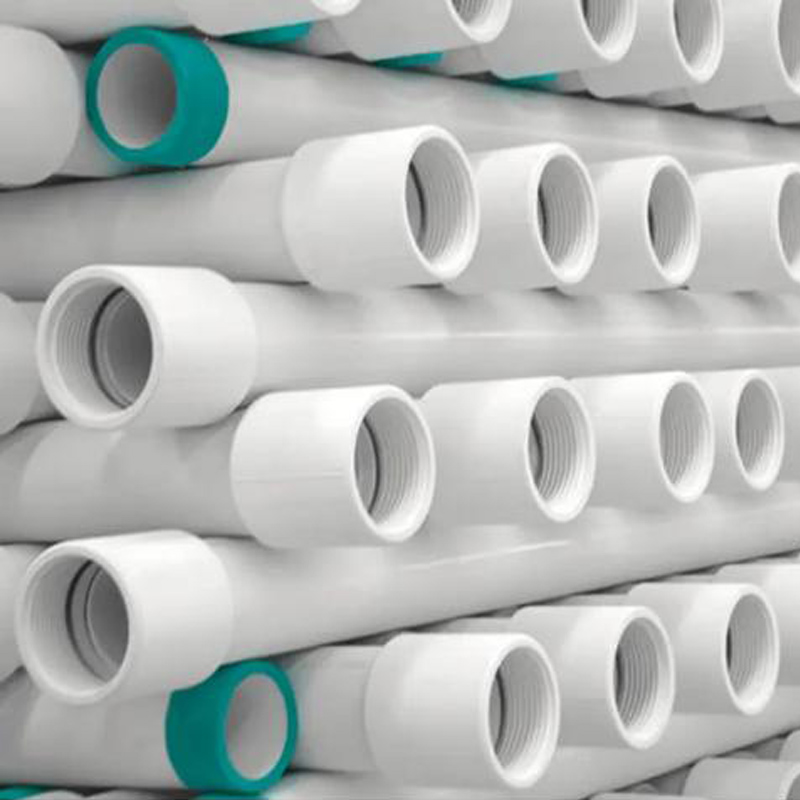
The performance of PPR pipes is governed by a complex interplay of mechanical, thermal, and chemical factors. Hydrostatic strength, determined by the aforementioned PN rating, is a critical parameter, dictating the pipe’s ability to withstand internal pressure without failure. This strength is directly related to the pipe’s wall thickness and the material’s yield strength. Temperature plays a significant role; the hydrostatic strength decreases with increasing temperature.
PPR exhibits excellent chemical resistance to a wide range of substances, including acids, alkalis, and salts, making it suitable for transporting potable water and various industrial fluids. However, prolonged exposure to certain solvents, such as chlorinated hydrocarbons, can cause swelling and degradation. The coefficient of linear thermal expansion for PPR is relatively high (approximately 0.15 mm/m°C), necessitating the use of expansion joints in long pipe runs to accommodate thermal expansion and contraction and prevent stress buildup. Force analysis during installation is critical. Excessive bending radius can create stress concentrations, leading to premature failure. Manufacturers specify minimum bending radii based on pipe diameter and wall thickness. Furthermore, the jointing method – typically hot-gas welding or electrofusion – significantly impacts the system’s overall performance. Improperly welded joints are a common point of failure. Compliance with relevant plumbing codes and standards (e.g., NSF, ASTM) is essential to ensure safe and reliable operation.
Technical Specifications
| Parameter | Unit | PN16 | PN20 |
|---|---|---|---|
| Nominal Pressure | MPa | 1.6 | 2.0 |
| Operating Temperature (Maximum) | °C | 70 | 70 |
| Short-Term Hydrostatic Pressure Test | MPa | 2.4 | 3.0 |
| Long-Term Hydrostatic Pressure Test (100 hrs) | MPa | 1.6 | 2.0 |
| Melt Flow Index (MFI) | g/10min | 3.5-5.0 | 4.0-6.0 |
| Wall Thickness | mm | 3.2 | 3.7 |
Failure Mode & Maintenance
PPR pipe failures can occur due to a variety of factors. Fatigue cracking, often initiated at stress concentrators (e.g., poorly welded joints, sharp bends), is a common failure mode, particularly under cyclic pressure loading. Creep rupture, a time-dependent failure mechanism, can occur under sustained high temperatures and pressures, leading to slow, progressive deformation and eventual fracture. Oxidative degradation, caused by exposure to elevated temperatures and oxygen, can embrittle the material over time. Delamination, separation of layers within the pipe wall, can result from manufacturing defects or exposure to aggressive chemicals.
Preventive maintenance is crucial to maximizing the service life of PPR piping systems. Regular visual inspections should be conducted to identify signs of cracking, deformation, or leakage. Periodic hydrostatic testing can verify the system’s integrity. Proper water quality management is essential to prevent corrosion and scaling. Avoid exposing the pipes to excessive temperatures or pressures. In the event of a leak, the affected section of pipe should be replaced immediately. Welding repairs should only be performed by qualified technicians using appropriate techniques. Proper support and anchoring of the pipes are essential to prevent stress buildup and vibration. Furthermore, ensuring adequate ventilation in enclosed spaces can help mitigate the risk of oxidative degradation. Proper backfilling around buried pipes is crucial to provide adequate support and prevent mechanical damage.
Industry FAQ
Q: What is the effect of chlorine on PPR pipe longevity?
A: While PPR exhibits good chemical resistance, prolonged exposure to high concentrations of chlorine can lead to oxidative degradation, reducing the pipe’s lifespan. The rate of degradation depends on the chlorine concentration, temperature, and duration of exposure. Using chlorine-resistant PPR formulations and minimizing chlorine levels in the water supply can mitigate this risk.
Q: How do I determine the appropriate PN rating for my application?
A: The PN rating should be selected based on the maximum operating pressure and temperature of the system. A safety factor should be applied to account for pressure surges and fluctuations. Consult with a qualified engineer to determine the appropriate PN rating for your specific application.
Q: What are the best practices for hot-gas welding PPR pipes?
A: Proper surface preparation, including cleaning and drying, is essential. Use a welding tool specifically designed for PPR pipes. Maintain consistent welding pressure and temperature. Ensure complete fusion of the pipe and fitting surfaces. Allow the weld to cool completely before pressurizing the system.
Q: What is the maximum allowable slope for buried PPR pipes?
A: The maximum allowable slope depends on the pipe diameter and soil conditions. Generally, a slope of no more than 2% is recommended to ensure proper drainage and prevent soil erosion around the pipe. Consult local plumbing codes for specific requirements.
Q: Can PPR pipes be used for compressed air systems?
A: Generally, PPR pipes are not recommended for compressed air systems due to their susceptibility to permeation and potential for brittle fracture under pressure. Specialized materials designed for compressed air applications, such as polyethylene or nylon, should be used instead.
Conclusion
PPR piping systems offer a compelling combination of performance, cost-effectiveness, and ease of installation. However, realizing these benefits requires a thorough understanding of the material’s properties, manufacturing processes, and potential failure modes. 1 2 PPR pipe factories play a crucial role in ensuring the quality and reliability of these systems. By adhering to stringent quality control measures, employing skilled personnel, and utilizing advanced manufacturing techniques, they contribute to the longevity and safety of plumbing and fluid conveyance infrastructure.
Looking forward, advancements in PPR formulations, such as the incorporation of enhanced stabilizers and reinforcing fillers, will further improve the material’s performance and expand its range of applications. Continued research and development efforts are also focused on optimizing welding techniques and developing non-destructive testing methods to ensure the integrity of PPR piping systems. Proper education and training for installers and maintenance personnel are paramount to ensuring the long-term success of this valuable technology.
-
DN25 HDPE Compression Fitting-HORON INTERNATIONAL|Reliable Irrigation Solutions
NewsFeb.11,2026
-
hdpe coupling joint product Manufacturing Analysis
News2026-11-18
-
ppr pipe heating time products Performance Analysis
News2026-11-16
-
hdpe pipe sizes factory Performance Analysis
News2026-11-09
-
HDPE Pipe Sizes Service Performance Analysis
News2026-10-26
-
wholesale 15mm ppr pipe Material Science and Performance Analysis
News2026-10-20
-
wholesale pvc pipe price per foot Technical Analysis
News2026-09-21
-
wholesale long pvc pipe Technical Analysis and Manufacturing Specifications
News2026-09-15
-
wholesale plumbing kitchen sink water lines Material Performance
News2026-09-15
-
wholesale hdpe drip irrigation Material Science
News2026-09-15
-
wholesale hot water ppr pipe Performance Analysis
News2026-09-15
-
wholesale ppr plumbing Performance Analysis
News2026-09-15
-
wholesale ppr pipe supplier Performance Analysis
News2026-09-13
-
wholesale 50mm ppr pipe Performance Analysis
News2026-09-13
-
wholesale hdpe drip pipe Performance Analysis
News2026-09-13
-
wholesale hdpe pipe 63mm price Manufacturing Specification and Performance Analysis
News2026-09-13