

Feb . 11, 2026 00:01 Back to list
hdpe coupling price factories Performance Analysis
Introduction
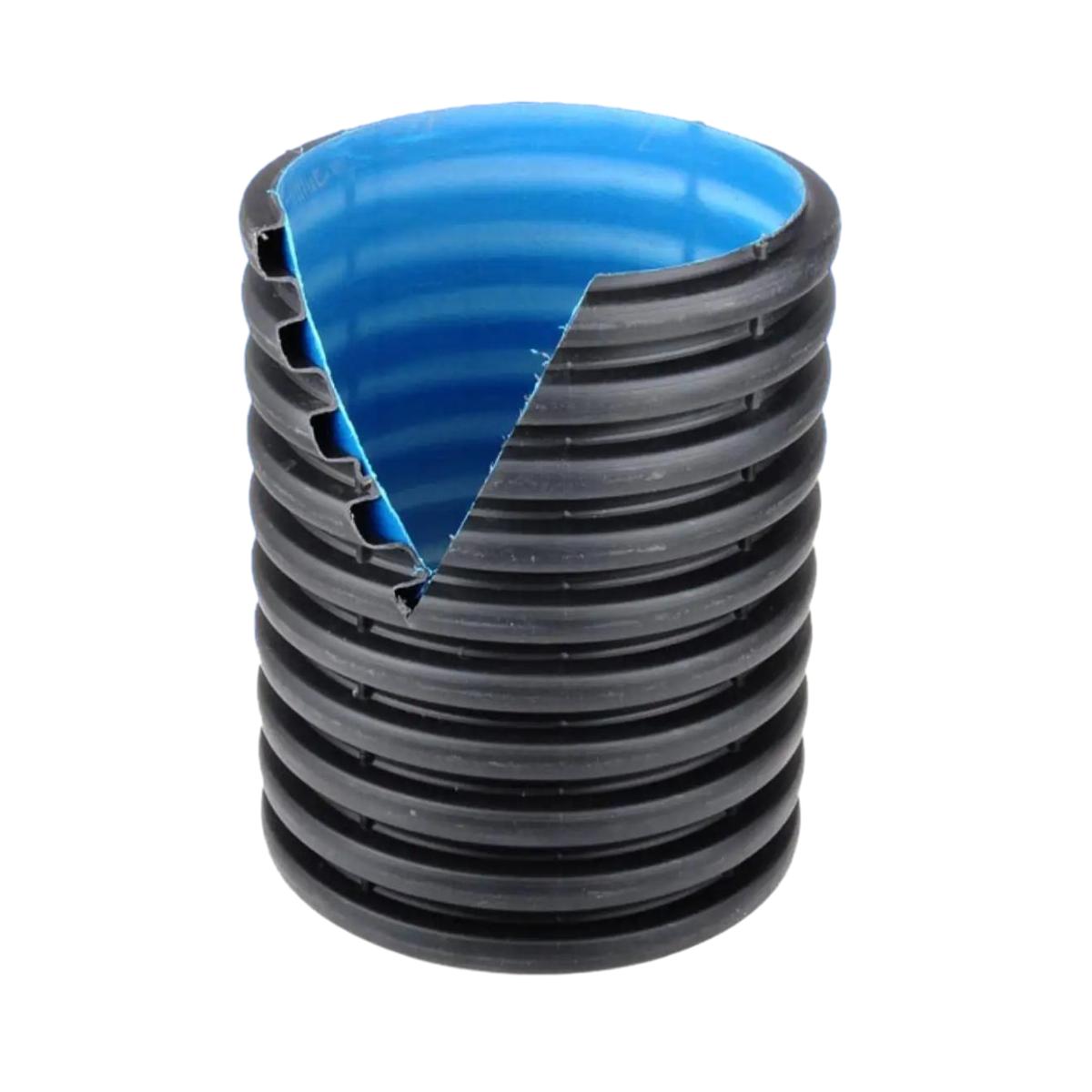
High-Density Polyethylene (HDPE) couplings represent a critical component in pipeline systems for fluid and gas transport across diverse industries, including municipal water distribution, irrigation, mining, and industrial processing. These couplings facilitate the joining of HDPE pipes, providing a leak-proof seal and structural integrity. The “hdpe coupling price factories” sector is characterized by a global supply chain responding to infrastructure development and replacement cycles. While appearing simple, optimal HDPE coupling selection requires detailed consideration of pressure ratings, joining methods (butt fusion, electrofusion, compression), pipe dimensions, and media compatibility. This guide provides an in-depth examination of HDPE coupling technology, encompassing material science, manufacturing processes, performance characteristics, failure modes, and relevant industry standards, aiming to inform procurement and engineering decisions within B2B industrial contexts. Core industry pain points revolve around ensuring long-term joint reliability, minimizing installation costs, and achieving compliance with increasingly stringent environmental regulations concerning material leaching and pipeline integrity.
Material Science & Manufacturing
HDPE couplings are predominantly manufactured from high-density polyethylene resin, typically grades conforming to PE3408, PE4710, or PE100 standards (as defined by ISO 1133). The resin’s molecular weight distribution significantly influences its melt flow index (MFI), a key parameter controlling processability and weldability. Raw material characteristics dictate the final product’s tensile strength (typically 20-30 MPa), elongation at break (200-700%), and environmental stress crack resistance (ESCR). Manufacturing processes vary depending on coupling type and size. Injection molding is common for smaller diameter couplings and fittings, enabling intricate geometries and consistent dimensional accuracy. Extrusion is used for larger diameter couplings and pipe sections, followed by machining to precise tolerances. Critical parameters during injection molding include melt temperature (180-230°C), mold temperature (30-50°C), and injection pressure (50-150 MPa). For electrofusion couplings, specialized conductive carbon black is incorporated into the HDPE material to facilitate heating during the fusion process. Butt fusion couplings require meticulous surface preparation (cleaning and facing) and controlled heating and cooling cycles to ensure homogenous weld formation. Quality control involves rigorous testing of material properties, dimensional accuracy, and weld strength according to ISO 13950 standards.
Performance & Engineering
The performance of HDPE couplings is governed by a complex interplay of mechanical stresses, environmental factors, and fluid characteristics. Internal pressure testing (hydrostatic pressure testing per ISO 1167) is crucial to verify the coupling’s ability to withstand operating pressures, with safety factors typically exceeding 2:1. External load resistance, particularly resistance to soil loading and bending moments, is critical in buried pipeline applications. Finite Element Analysis (FEA) is employed to model stress distribution under various loading scenarios. The long-term hydrostatic strength (LTHS) of HDPE is a critical parameter, as it dictates the maximum sustained operating pressure over the pipeline’s design life (typically 50+ years). LTHS is determined through accelerated aging tests (e.g., ISO 11507) that simulate the effects of temperature and pressure on HDPE’s creep behavior. Chemical compatibility is another significant consideration. While HDPE exhibits excellent resistance to many chemicals, exposure to strong oxidizing agents, hydrocarbons, and aromatic compounds can lead to swelling, cracking, or degradation. Joint design must account for thermal expansion and contraction of the pipe, particularly in applications with large temperature fluctuations. Compliance with relevant standards, such as AWWA C906 (for potable water applications) and ASTM D3261 (for polyethylene fittings), is mandatory in many jurisdictions.
Technical Specifications
| Parameter | Units | Typical Value (Electrofusion Coupling, 110mm) | Testing Standard |
|---|---|---|---|
| Nominal Diameter | mm | 110 | ISO 4437 |
| Pressure Rating (PN) | bar | 16 | ISO 1167 |
| SDR (Standard Dimension Ratio) | - | 17.6 | Calculated per ISO 4437 |
| Material | - | PE100 | ISO 1133 |
| Minimum Welding Time (Electrofusion) | seconds | 30 | Manufacturer Specification |
| Tensile Strength | MPa | 32 | ISO 527 |
Failure Mode & Maintenance
HDPE coupling failures typically stem from inadequate joining procedures, material defects, or exposure to harsh environmental conditions. Common failure modes include: (1) Weld Failures: Insufficient fusion (under-welding) or excessive heating (over-welding) during butt fusion or electrofusion can lead to weak joints susceptible to cracking under stress. (2) Environmental Stress Cracking (ESC): Prolonged exposure to certain chemicals or detergents, coupled with mechanical stress, can initiate cracks in the HDPE material. (3) Slow Crack Growth (SCG): Similar to ESC, but occurring at lower stress levels over extended periods. (4) Corrosion Assisted Cracking: Though HDPE itself is corrosion resistant, galvanic corrosion can occur if the coupling is in contact with dissimilar metals in a corrosive environment. (5) Joint Separation: Thermal expansion/contraction cycles can induce stress at the joint interface, potentially leading to separation if the joint is not adequately restrained. Preventive maintenance involves regular visual inspections for cracks, leaks, or deformation. Non-destructive testing (NDT) methods, such as ultrasonic testing, can be used to assess weld integrity. Repair options range from localized patching with HDPE welding rods to complete joint replacement. Proper installation procedures, adherence to manufacturer’s recommendations, and the use of appropriate protective measures (e.g., cathodic protection) are crucial for maximizing coupling lifespan and minimizing failure risks.
Industry FAQ
Q: What is the primary difference between butt fusion and electrofusion coupling, and when should each be used?
A: Butt fusion is typically used for larger diameter pipes (generally >160mm) and requires skilled operators and specialized equipment to precisely align and heat the pipe ends for welding. It offers a robust, homogenous weld with minimal material thinning. Electrofusion, on the other hand, is preferred for smaller diameters and complex fittings. It utilizes an electrical current to heat a heating coil embedded within the coupling, melting the pipe and fitting surfaces. While easier to use, electrofusion welds can be more susceptible to localized stress concentrations.
Q: How does temperature affect the long-term performance of HDPE couplings?
A: Elevated temperatures accelerate the creep process in HDPE, reducing its long-term hydrostatic strength (LTHS). LTHS decreases as operating temperature increases. Conversely, low temperatures can increase brittleness, making the material more susceptible to cracking under impact. Pipeline design must consider the full range of operating temperatures and select HDPE grades and coupling types accordingly.
Q: What are the implications of using incompatible chemicals with HDPE couplings?
A: Exposure to incompatible chemicals can cause swelling, softening, or crazing of the HDPE material, leading to reduced strength and increased permeability. Strong oxidizing agents, aromatic hydrocarbons, and chlorinated solvents are particularly problematic. A thorough chemical compatibility assessment should be conducted before selecting HDPE couplings for a specific application.
Q: What are the key quality control checks that should be performed on HDPE couplings during manufacturing?
A: Key QC checks include raw material verification (ensuring conformity to ISO 1133 standards), dimensional accuracy measurements, hydrostatic pressure testing (ISO 1167), impact resistance testing (ISO 14805), and visual inspection for defects. For electrofusion couplings, the functionality of the heating coil must also be verified.
Q: What is the role of SDR in selecting the appropriate HDPE coupling for a given application?
A: SDR (Standard Dimension Ratio) is a dimensionless ratio of the pipe's outside diameter to its wall thickness. Lower SDR values indicate thicker walls and higher pressure ratings. Selecting the correct SDR coupling is crucial to match the pressure rating of the pipe and ensure structural integrity. Using a coupling with an inadequate SDR can lead to catastrophic failure.
Conclusion
HDPE couplings are essential components in modern pipeline infrastructure, offering a robust and cost-effective solution for joining HDPE pipes. Their performance is intrinsically linked to material properties, manufacturing quality, and proper installation practices. Understanding the principles of HDPE material science, the nuances of different joining methods, and the potential failure modes is paramount for ensuring long-term pipeline reliability and minimizing operational risks.
The “hdpe coupling price factories” landscape is constantly evolving with advancements in materials and manufacturing techniques. Future trends will likely focus on developing couplings with enhanced ESCR, improved resistance to aggressive chemicals, and integrated monitoring systems for real-time assessment of joint integrity. Continued adherence to industry standards and best practices will be vital for maintaining the safety and efficiency of HDPE pipeline systems worldwide.
-
DN25 HDPE Compression Fitting-HORON INTERNATIONAL|Reliable Irrigation Solutions
NewsFeb.11,2026
-
china pvc pipe vs ppr pipe Performance Analysis
News2026-06-08
-
china irrigation hdpe pipe Performance Analysis
News2026-06-08
-
china hdpe pvc coupling Performance Analysis
News2026-06-08
-
china pvc pipe list Technical Analysis
News2026-06-08
-
china ppr water pipe suppliers Performance Analysis
News2026-06-08
-
china 3 4 ppr pipe price Performance Analysis
News2026-06-07
-
china underground pvc pipe Material and Manufacturing
News2026-06-07
-
china type of hdpe pipe Technical Performance Analysis
News2026-06-07
-
china upvc Performance Analysis
News2026-06-07
-
china outside diameter of pvc pipe Dimensional Analysis
News2026-06-07
-
china ppr water pipe price Performance Analysis
News2026-06-06
-
china ppr composite pipe Performance Analysis
News2026-06-06
-
china ppr pipe 25mm price Performance Analysis
News2026-06-06
-
china ppr pipe use Performance Analysis
News2026-06-06
-
china pvc sewer pipe Technical Performance
News2026-06-06