

Feb . 11, 2026 00:01 Back to list
hdpe corrugated pipe products Manufacturing Analysis
Introduction
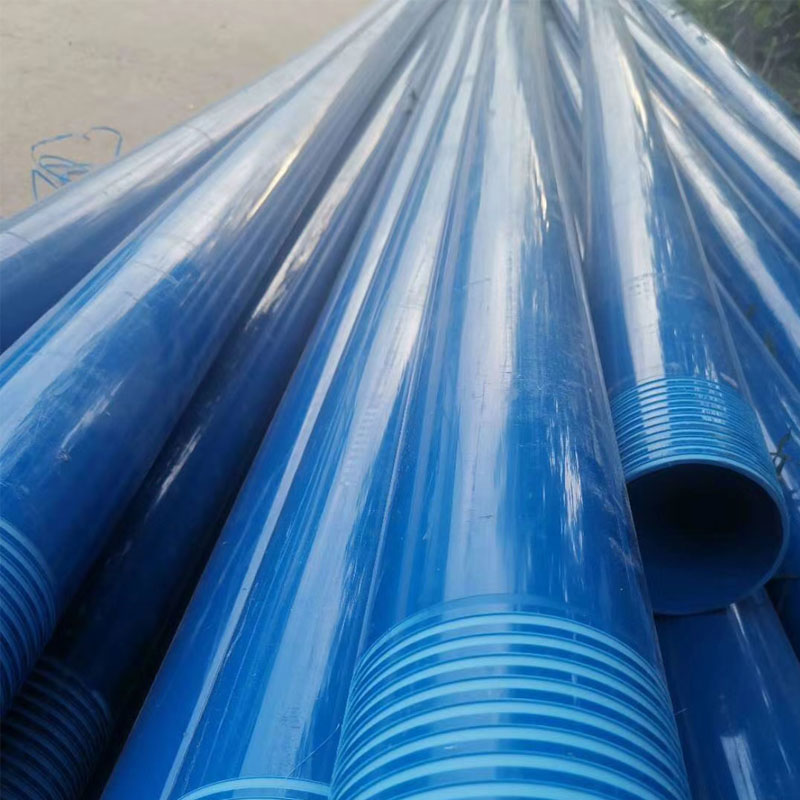
High-Density Polyethylene (HDPE) corrugated pipe is a widely utilized conduit system in subsurface drainage, storm sewer applications, and increasingly, in industrial fluid handling. Positioned as a cost-effective and durable alternative to traditional materials like concrete and steel, HDPE corrugated pipe leverages the inherent properties of polyethylene to deliver long-term performance with minimal maintenance. Its flexible nature allows for installation in challenging terrains and simplifies complex routing, reducing installation time and costs. Core performance characteristics include high crush resistance, excellent flow capacity due to its smooth interior, and resistance to a broad spectrum of chemical compounds. This guide provides an in-depth technical overview of HDPE corrugated pipe, covering its material science, manufacturing processes, performance engineering, potential failure modes, and relevant industry standards. The increasing demand is driven by infrastructure projects requiring lightweight, durable, and corrosion-resistant solutions. A significant pain point in the industry revolves around ensuring long-term joint integrity and accurately assessing load-bearing capacity in varying soil conditions.
Material Science & Manufacturing
HDPE corrugated pipe is manufactured from high-density polyethylene resin, typically grades meeting or exceeding ASTM D3350 standards. HDPE is a thermoplastic polymer characterized by its high tensile strength-to-density ratio. Its key physical properties include a density ranging from 0.941 to 0.965 g/cm³, a tensile strength of 20-30 MPa, and a Rockwell hardness of 55-65. Chemical resistance is also paramount; HDPE exhibits excellent resistance to acids, alkalis, alcohols, and many solvents, but can be susceptible to degradation from prolonged exposure to UV radiation and oxidizing agents. Manufacturing typically involves extrusion. The process begins with HDPE resin being fed into an extruder, where it is heated and melted. This molten plastic is then forced through a die that creates the corrugated profile. Critical parameters during extrusion include melt temperature (typically 180-220°C), die pressure, and cooling rate. Precise control of these parameters is essential to ensure consistent wall thickness and corrugation geometry. Post-extrusion, the pipe is often subjected to quality control checks, including dimensional inspection, hydrostatic pressure testing (ASTM F894), and impact resistance testing. Bell-and-spigot or gasketed joints are commonly used to connect pipe sections; the gasket material, typically EPDM rubber, must be chemically compatible with both the HDPE pipe and the conveyed fluid. The selection of HDPE resin grade is crucial based on the intended application and anticipated environmental stresses. For buried applications, resins with enhanced UV stabilization are often preferred.
Performance & Engineering
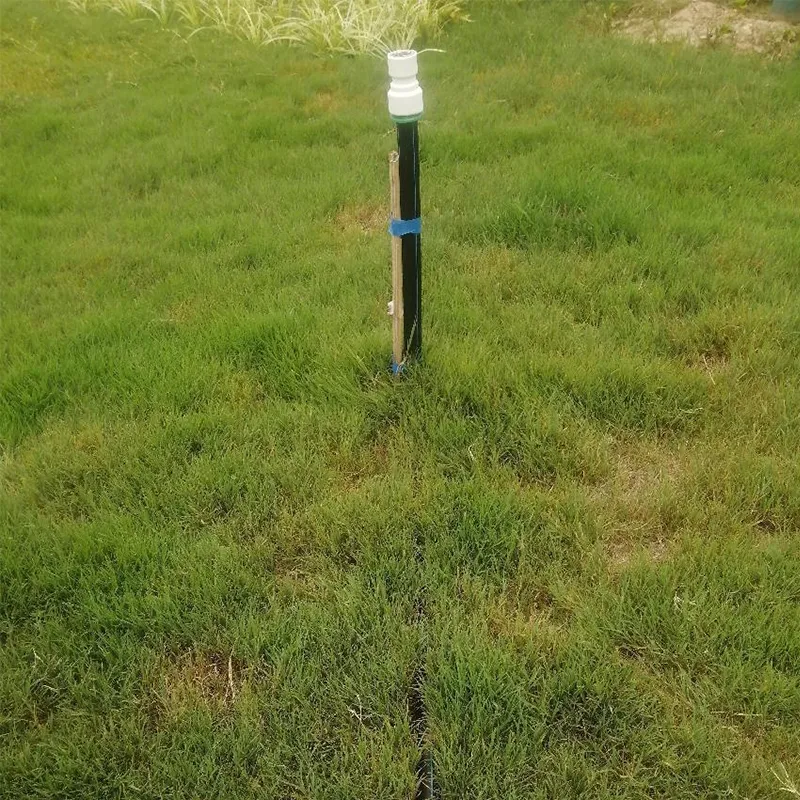
The performance of HDPE corrugated pipe is primarily governed by its structural integrity under load. Buried pipes are subjected to various stresses, including vertical loads from soil and traffic, hydrostatic pressure from groundwater, and bending moments due to differential settlement. The pipe’s corrugated structure significantly enhances its load-bearing capacity compared to smooth-walled pipes. Engineering calculations for load support typically employ methods outlined in AASHTO M294 and ASTM F894. A crucial parameter is the pipe's stiffness, often expressed as the Soil Burial Stiffness (SBS). This value represents the pipe's resistance to deflection under a specific load. Environmental resistance is another key performance characteristic. While HDPE is inherently resistant to many chemicals, long-term exposure to certain substances (e.g., strong oxidizing agents) can lead to degradation. UV exposure can also cause embrittlement, particularly in above-ground applications. Therefore, UV inhibitors are commonly added to the HDPE resin. Compliance requirements vary depending on the application and geographical location. For drainage applications, compliance with local stormwater management regulations is essential. For transportation of potable water, the pipe must meet NSF/ANSI 61 standards for drinking water system components. Thermal expansion and contraction are also important considerations. HDPE has a relatively high coefficient of thermal expansion (approximately 1.6 x 10⁻⁴ in/in/°F). This can induce stresses in the pipe system, particularly over long runs, and should be accounted for during installation through the incorporation of expansion joints or flexible connections.
Technical Specifications
| Parameter | Units | Typical Value (12" Diameter Pipe) | Testing Standard |
|---|---|---|---|
| Nominal Diameter | inches | 12 | ASTM F477 |
| Corrugation Profile Height | inches | 0.75 | Manufacturer Specification |
| Wall Thickness | inches | 0.08 | ASTM D3350 |
| Soil Burial Stiffness (SBS) | psi | 50-70 | ASTM F894 |
| Hydrostatic Design Stress | psi | 1600 | ASTM F894 |
| Long-Term Strain | % | 2.5 | ASTM F894 |
Failure Mode & Maintenance
HDPE corrugated pipe, while durable, is susceptible to specific failure modes. Fatigue cracking, particularly at joint locations, can occur due to repeated loading and unloading, especially in heavily trafficked areas. This is often exacerbated by poor installation practices, such as improper compaction around the pipe. Delamination of the corrugated layers can result from impact damage or freeze-thaw cycles. Environmental stress cracking (ESC) can occur when the pipe is exposed to sustained tensile stress in the presence of certain chemicals, such as detergents or solvents. Oxidation, particularly UV-induced oxidation, can lead to embrittlement and reduced mechanical properties. Joint failures are a common issue, often stemming from improper gasket installation or damage to the gasket during installation. Maintenance primarily focuses on preventative measures. Regular inspection for signs of cracking, deformation, or joint leakage is crucial. Backfilling procedures should adhere to manufacturer recommendations to ensure adequate support and prevent over-compaction. Avoid exposing the pipe to excessive loads or impact damage. For repairs, specialized HDPE welding techniques can be used to patch cracks or replace damaged sections. However, welding must be performed by trained personnel using appropriate equipment to ensure a structurally sound repair. Joint repairs typically involve replacing the gasket and ensuring a proper seal. In areas prone to freezing, adequate insulation may be necessary to prevent damage from ice expansion.
Industry FAQ
Q: What is the expected service life of HDPE corrugated pipe in a typical storm sewer application?
A: The expected service life typically exceeds 50 years, and often surpasses 100 years, assuming proper installation and operation. This longevity stems from HDPE’s inherent resistance to corrosion and degradation. However, actual service life can vary depending on factors such as soil conditions, loading levels, and exposure to aggressive chemicals.
Q: How does HDPE corrugated pipe perform in areas with high groundwater tables?
A: HDPE corrugated pipe is well-suited for high groundwater conditions. Its watertight joints and resistance to hydrostatic pressure prevent infiltration and exfiltration. However, proper bedding and backfilling are essential to ensure adequate support and prevent flotation, particularly in areas with expansive soils.
Q: What are the primary considerations when selecting a gasket material for HDPE corrugated pipe joints?
A: Chemical compatibility with the conveyed fluid and long-term resilience are the most important considerations. EPDM rubber is a common choice due to its excellent resistance to many chemicals and UV exposure. The gasket material must also maintain its elasticity over a wide temperature range and be able to withstand the compressive forces during installation.
Q: Can HDPE corrugated pipe be used in applications involving the transportation of corrosive materials?
A: While HDPE exhibits excellent resistance to many chemicals, it's crucial to verify its compatibility with the specific corrosive substance. A chemical compatibility chart should be consulted to ensure the HDPE resin will not be degraded by prolonged exposure. For highly corrosive environments, specialized HDPE formulations may be required.
Q: What are the typical installation procedures to ensure optimal performance and longevity of HDPE corrugated pipe?
A: Proper trench preparation, including removal of sharp objects and adequate bedding material, is crucial. The pipe should be laid on a stable base and backfilled according to manufacturer’s recommendations. Compaction should be controlled to avoid over-compaction, which can damage the pipe. Joints should be properly aligned and sealed to prevent infiltration and exfiltration.
Conclusion
HDPE corrugated pipe represents a robust and cost-effective solution for a wide range of drainage and conveyance applications. Its inherent material properties, coupled with efficient manufacturing processes, deliver a product that exhibits exceptional durability, chemical resistance, and ease of installation. Understanding the critical performance parameters, potential failure modes, and relevant industry standards is paramount for ensuring long-term system reliability.
Future advancements in HDPE resin technology are likely to focus on enhancing UV resistance, improving impact strength, and developing more sustainable manufacturing processes. Continued research into joint design and installation techniques will further optimize the performance and longevity of HDPE corrugated pipe systems. The demand for these systems will continue to rise as infrastructure projects increasingly prioritize durable and environmentally responsible solutions.
-
DN25 HDPE Compression Fitting-HORON INTERNATIONAL|Reliable Irrigation Solutions
NewsFeb.11,2026
-
china 4 hdpe to pvc coupling Performance Analysis
News2026-06-14
-
china dn500 Ductile Iron Pipe Performance Analysis
News2026-06-14
-
china hdpe corrugated pipe Performance Analysis
News2026-06-14
-
china pvc pipe dimensions Technical Analysis
News2026-06-14
-
china perforated pvc pipe for drainage Performance Analysis
News2026-06-14
-
china 2.5 pvc pipe Performance Analysis
News2026-06-13
-
china ppr pipe coupling Performance Analysis
News2026-06-13
-
china hdpe pipe used for Performance Analysis
News2026-06-13
-
china 300mm pvc pipe Performance Analysis
News2026-06-13
-
china ppr pipe 40mm Performance Analysis
News2026-06-13
-
china ppr pipes in full Performance Engineering
News2026-06-12
-
china 63mm ppr pipe Technical Analysis
News2026-06-12
-
china pvc pipe is used for Performance Analysis
News2026-06-12
-
china hdpe pipe price list Performance Analysis
News2026-06-12
-
china ppr hot and cold water pipe Performance Analysis
News2026-06-12