

wholesale use of ppr pipe
Wholesale Use of PPR Pipe
Product Overview
The wholesale use of PPR pipe has revolutionized plumbing and industrial applications around the globe. Polypropylene Random Copolymer (PPR) pipes are known for their excellent durability, resistance to corrosion, and ability to withstand high temperatures and pressures. Ideal for both hot and cold water supply systems, PPR pipes are lightweight, easy to install, and offer a long service life, making them a preferred choice for many industries.
Key Features
- Corrosion Resistance: PPR pipes do not rust or corrode, ensuring longevity.
- Thermal Stability: Capable of withstanding temperatures up to 95°C without deformation.
- Low Thermal Conductivity: Reduces heat loss in hot water applications.
- Lightweight: Easier handling and installation compared to traditional piping materials.
- Sustainable: Made from recyclable materials, contributing to eco-friendliness.
- Cost-Effective: Long-lasting durability leads to reduced maintenance costs.
Technical Specifications
| Specification | Value |
|---|---|
| Material | Polypropylene Random Copolymer |
| Diameter Range | 20 mm to 160 mm |
| Pressure Rating | PN10, PN16, PN20 |
| Temperature Resistance | -40°C to 95°C |
| Standard Compliance | ISO 15874, ASTM F2389 |
| Length | 3 m, 4 m, 6 m (custom lengths available) |
Application Scenarios
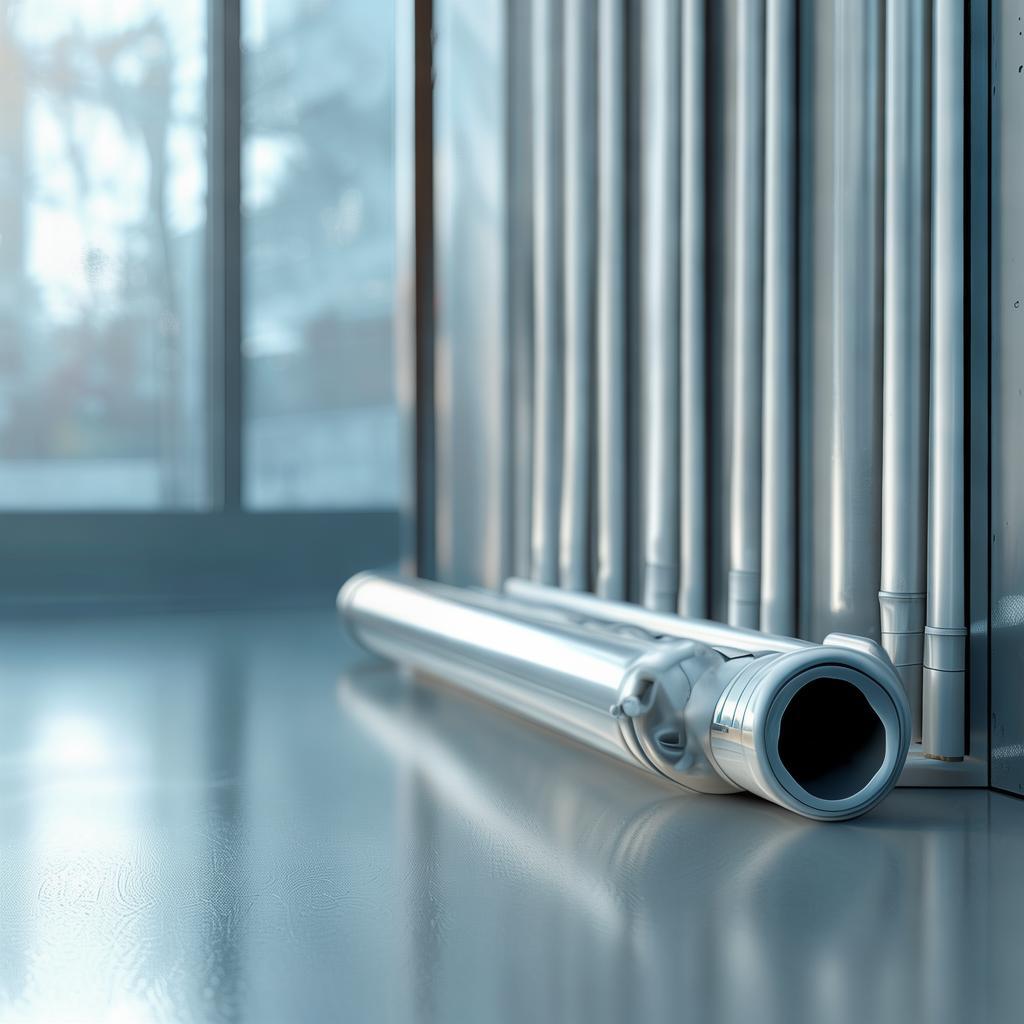
The wholesale use of PPR pipe is applicable in various sectors, including:
- Residential Plumbing: Ideal for drinking water systems, hot water lines, and heating systems.
- Industrial Applications: Used for conveying chemicals, compressed air, and other industrial fluids.
- Agricultural Irrigation: Effective in drip and sprinkler irrigation systems.
- HVAC Systems: Suitable for heating and cooling applications due to its thermal properties.
- Fire Protection: Employed in fire sprinkler systems for its high-temperature resilience.
Advantages
Choosing PPR pipes for your wholesale needs comes with numerous advantages:
- Durability: PPR pipes can last over 50 years with minimal maintenance.
- Ease of Installation: The lightweight design and simple joining methods make installation straightforward.
- Non-toxic: Safe for drinking water applications, as they do not leach harmful substances.
- Energy Efficiency: The low thermal conductivity helps conserve energy in heating applications.
- Cost Savings: Reduced energy consumption and maintenance costs translate to significant savings over time.
Why Choose Us
We are a leading supplier in the wholesale use of PPR pipe, dedicated to providing high-quality products that meet international standards. Our commitment to excellence is backed by:
- Quality Assurance: Each batch undergoes rigorous testing to ensure compliance with industry standards.
- Competitive Pricing: Our wholesale pricing model ensures that you get the best value for your investment.
- Expert Support: Our knowledgeable team is available to assist you with any queries or technical support.
- Global Reach: We serve clients across multiple countries, adapting to diverse market needs.
- Flexible Solutions: Custom sizes and specifications can be tailored to meet your specific requirements.
FAQ
1. What is PPR pipe made of?
PPR pipe is made from Polypropylene Random Copolymer, a durable and lightweight plastic material.
2. Can PPR pipes be used for hot water?
Yes, PPR pipes are designed to withstand temperatures up to 95°C, making them suitable for both hot and cold water applications.
3. Are PPR pipes resistant to chemicals?
Yes, PPR pipes exhibit excellent chemical resistance, making them ideal for industrial applications involving various fluids.
4. How long do PPR pipes last?
With proper installation and maintenance, PPR pipes can last over 50 years.
5. Is installation of PPR pipes complicated?
No, PPR pipes are lightweight and can be easily installed using heat fusion or socket welding methods.
Related News
-
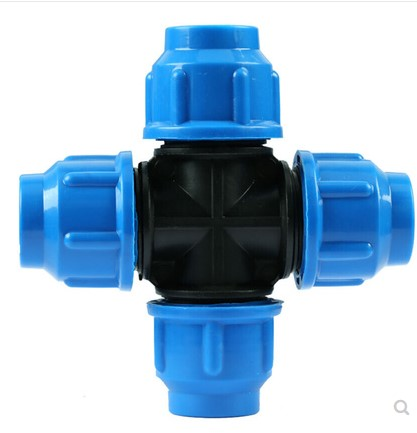
DN25 HDPE Compression Fitting-HORON INTERNATIONAL|Reliable Irrigation Solutions
-
DN25 HDPE Compression Fitting-HORON INTERNATIONAL|Reliable Irrigation Solutions
-
Understanding China 1 2 PPR Pipe in mm – Specifications, Uses & Innovations
-

China PPR Hot Water Pipe Insulation – Energy Efficient & Durable Solutions
-
Superior China PPR Hot Water Pipe – Durable, Cost-Effective & Eco-Friendly Plumbing Solution
-
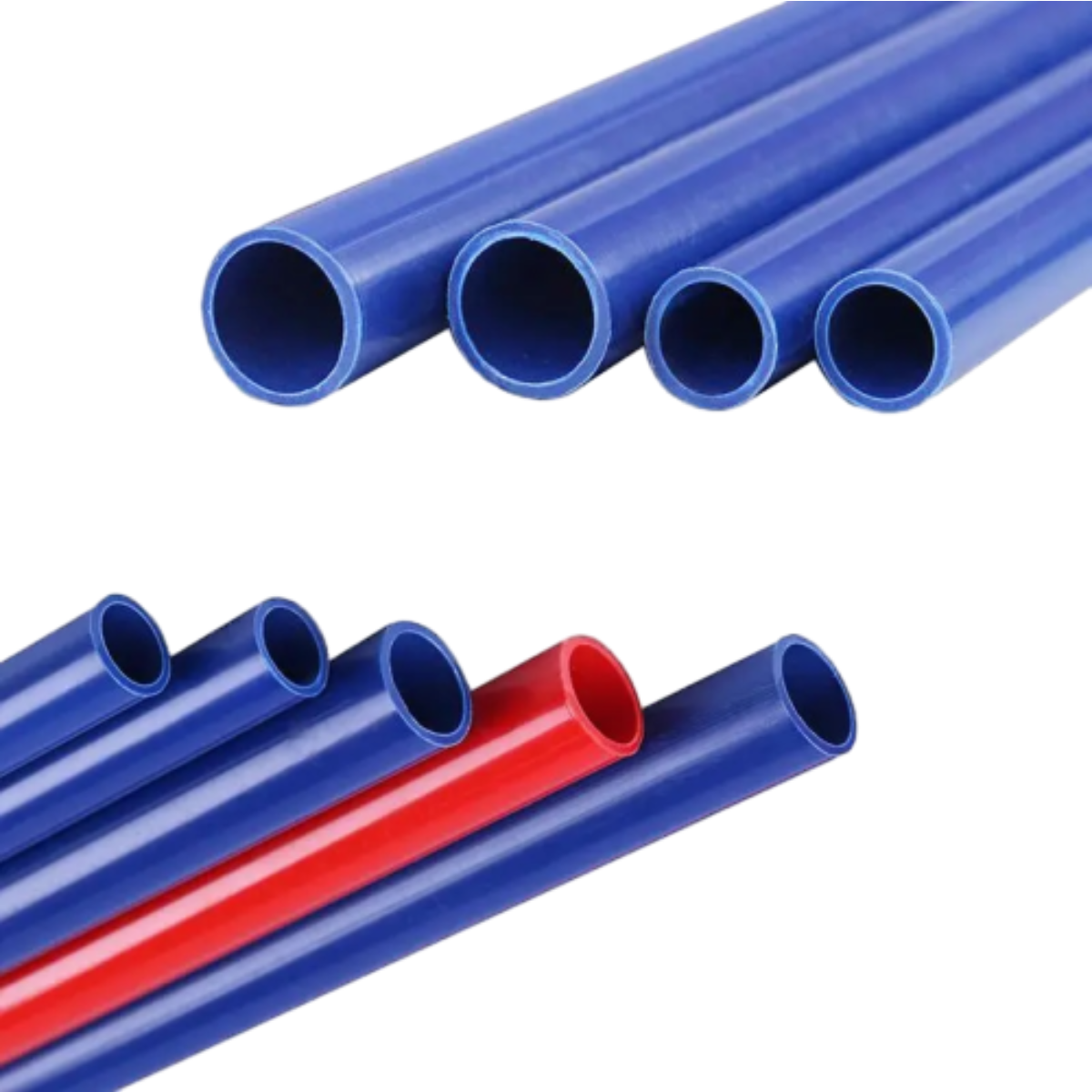
Durable and Cost-Effective China 75mm Plastic Pipe for Global Water Infrastructure
-
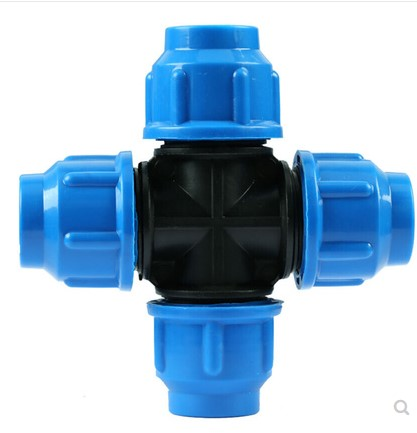
China PPR Quick Connector - Fast, Reliable Plumbing Solutions Made in China
-
Comprehensive Guide to China HDPE Pipe Sizes and Dimensions | Horon Pipe