

wholesale ppr pipe vs pvc pipe
Wholesale PPR Pipe vs PVC Pipe
Product Overview
In the realm of plumbing and construction, selecting the right piping material is crucial for ensuring durability, efficiency, and cost-effectiveness. This product page delves into the comparison of wholesale PPR pipe vs PVC pipe, two of the most popular choices in the market. PPR (Polypropylene Random Copolymer) and PVC (Polyvinyl Chloride) pipes each come with unique properties and applications, making them suitable for various industrial needs. Understanding their differences will help you make an informed decision for your next project.
Key Features
- PPR Pipe: High thermal resistance, corrosion-resistant, and suitable for hot and cold water.
- PVC Pipe: Lightweight, cost-effective, and excellent for drainage and plumbing systems.
- Durability: Both materials offer impressive longevity, but PPR has superior resistance to pressure and temperature variations.
- Installation: PPR pipes use heat fusion methods, while PVC pipes rely on solvent cement, making installation processes notably different.
- Environmental Impact: PPR is considered more eco-friendly due to its recyclability.
Technical Specifications
| Property | PPR Pipe | PVC Pipe |
|---|---|---|
| Material | Polypropylene Random Copolymer | Polyvinyl Chloride |
| Temperature Resistance | Up to 95°C | Up to 60°C |
| Pressure Rating | 25-32 bar | 10-16 bar |
| Weight | Lightweight | Very lightweight |
| Lifespan | 50+ years | 25-30 years |
Application Scenarios
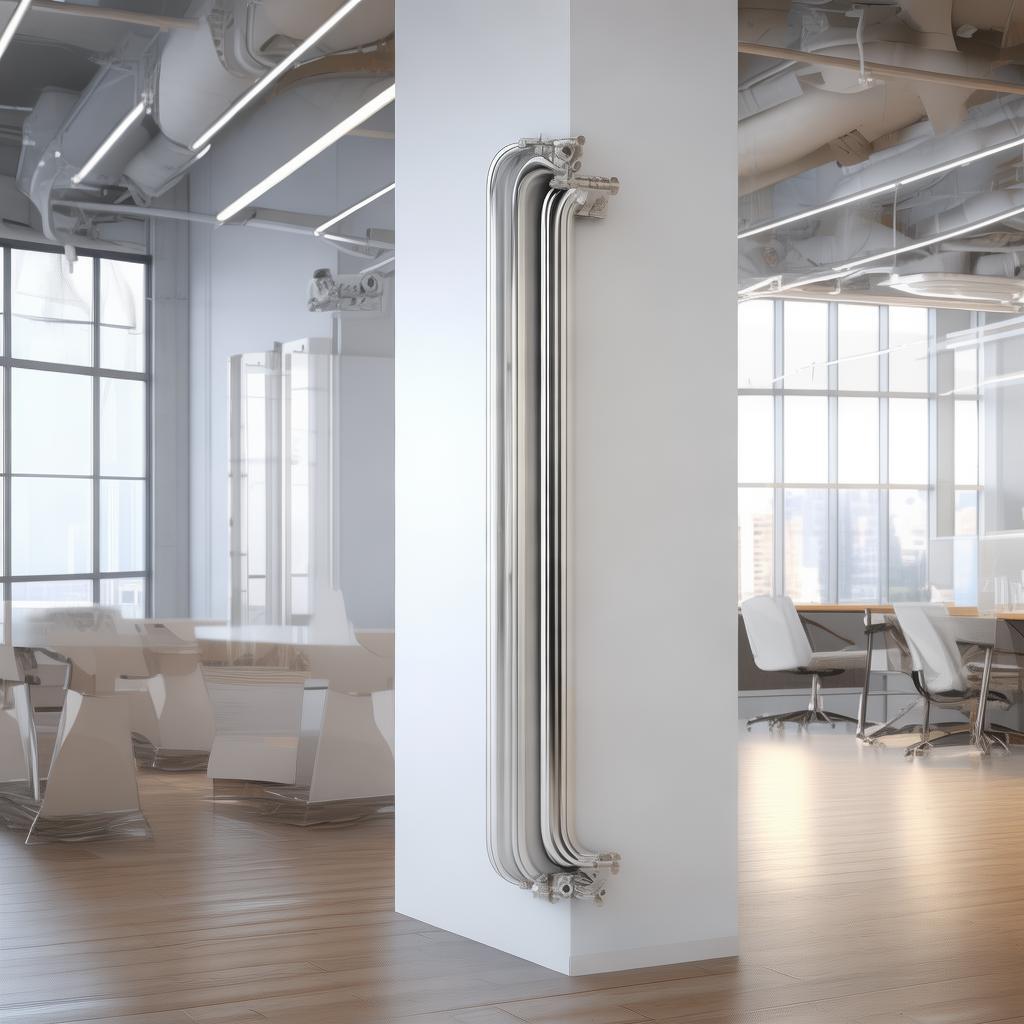
The choice between wholesale PPR pipe vs PVC pipe often depends on specific application requirements:
- PPR Pipe Applications:
- Hot and cold water supply systems
- Heating systems
- Industrial piping
- Potable water distribution
- PVC Pipe Applications:
- Sewage and drainage systems
- Electrical conduit
- Roof drainage
- Agricultural irrigation systems
Advantages
Understanding the advantages of each piping type is essential when comparing wholesale PPR pipe vs PVC pipe. Here are the key benefits:
PPR Pipe Advantages:
- Excellent thermal insulation properties, reducing energy loss.
- High resistance to chemical corrosion, ensuring longevity in various environments.
- Joint-free installation option, minimizing leakage risks.
- Recyclable and environmentally friendly, promoting sustainable practices.
PVC Pipe Advantages:
- Cost-effective solution for large-scale projects.
- Easy and quick installation, saving labor costs.
- Wide availability and variety of fittings.
- High resistance to impact and abrasion, suitable for various applications.
Why Choose Us
When it comes to sourcing wholesale PPR pipe vs PVC pipe, our company stands out for several reasons:
- Quality Assurance: We adhere to stringent quality control measures to ensure our pipes meet international standards.
- Competitive Pricing: Our wholesale pricing strategy ensures that you receive the best value without compromising quality.
- Expert Guidance: Our experienced team is available to provide technical support and advice tailored to your specific needs.
- Global Reach: We cater to clients worldwide, ensuring timely delivery and efficient logistics.
FAQ
1. What is the primary difference between PPR and PVC pipes?
The primary difference lies in their material properties; PPR pipes are better suited for hot water applications due to their high-temperature resistance, while PVC pipes are ideal for cold water and drainage systems.
2. Can PPR and PVC pipes be used interchangeably?
No, PPR and PVC pipes have different applications and installation methods. It is crucial to choose the right type based on your project requirements.
3. How long do PPR and PVC pipes last?
PPR pipes typically have a lifespan of over 50 years, while PVC pipes last around 25 to 30 years, depending on environmental conditions and usage.
4. Are PPR pipes more environmentally friendly than PVC pipes?
Yes, PPR pipes are considered more eco-friendly as they are recyclable and do not release harmful chemicals when disposed of correctly.
5. What factors should I consider when selecting between PPR and PVC pipes?
Consider factors such as temperature resistance, pressure ratings, application types, and the longevity of the material to make an informed decision.
Related News
-
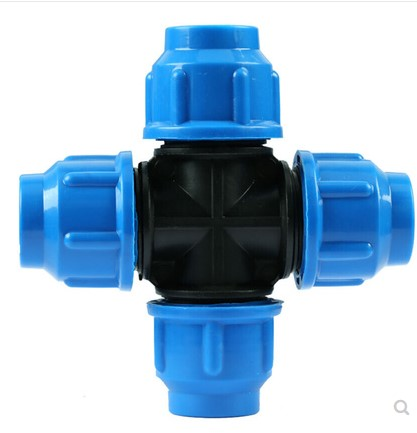
DN25 HDPE Compression Fitting-HORON INTERNATIONAL|Reliable Irrigation Solutions
-
DN25 HDPE Compression Fitting-HORON INTERNATIONAL|Reliable Irrigation Solutions
-
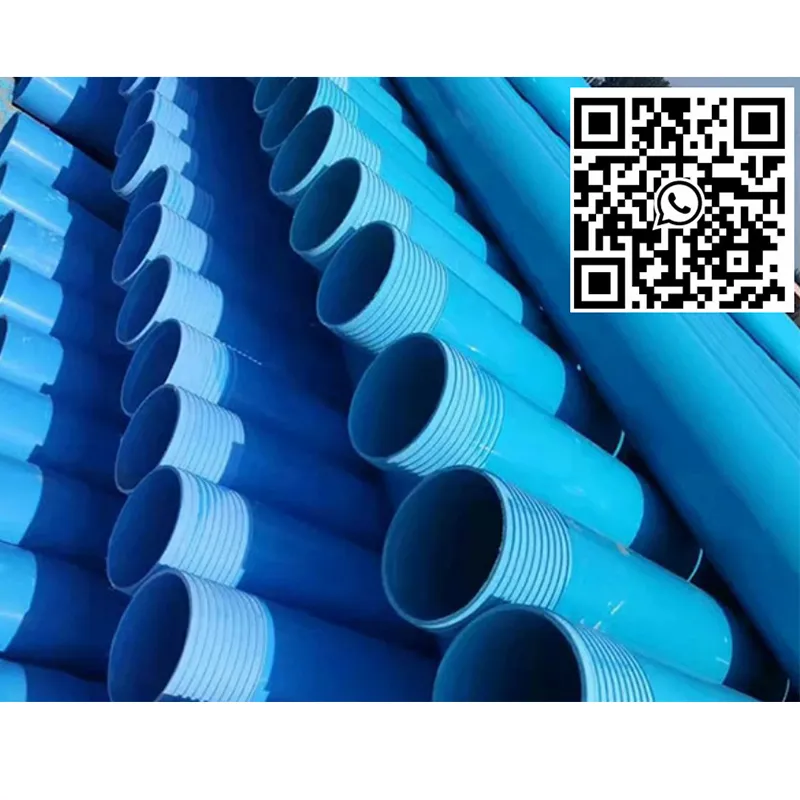
Understanding China 1 2 PPR Pipe in mm – Specifications, Uses & Innovations
-

China PPR Hot Water Pipe Insulation – Energy Efficient & Durable Solutions
-
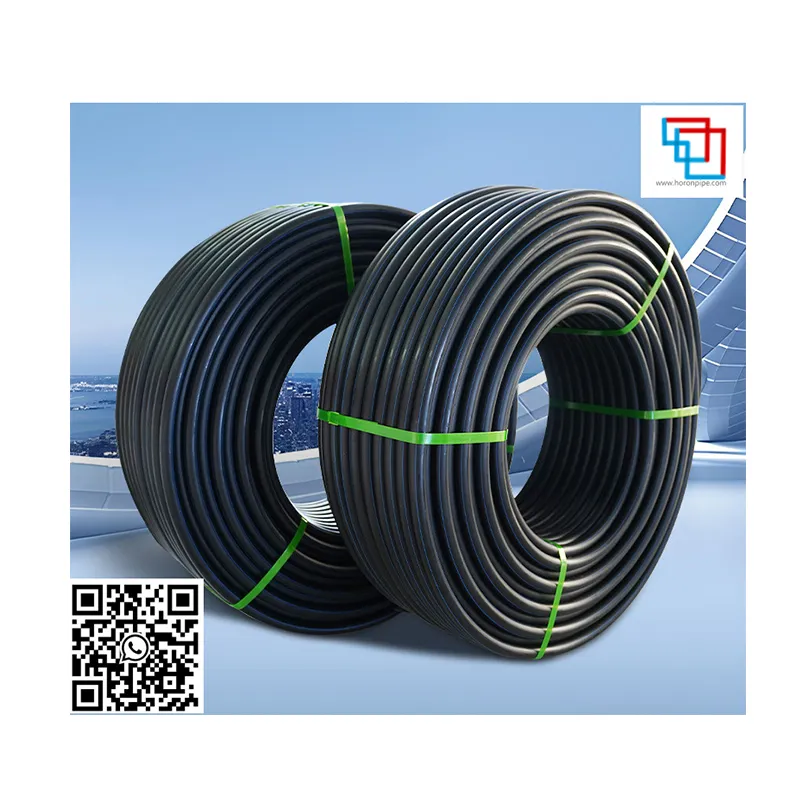
Superior China PPR Hot Water Pipe – Durable, Cost-Effective & Eco-Friendly Plumbing Solution
-
Durable and Cost-Effective China 75mm Plastic Pipe for Global Water Infrastructure
-
China PPR Quick Connector - Fast, Reliable Plumbing Solutions Made in China
-
Comprehensive Guide to China HDPE Pipe Sizes and Dimensions | Horon Pipe