

discount pvc pipe vs ppr pipe
Discount PVC Pipe vs PPR Pipe
In the world of plumbing and construction, the choice between discount PVC pipe vs PPR pipe can significantly impact the efficiency, durability, and overall performance of your projects. Understanding the differences, benefits, and applications of these materials is crucial for making informed decisions, especially in B2B environments where cost-effectiveness and reliability are paramount.
Product Overview
Both PVC (Polyvinyl Chloride) and PPR (Polypropylene Random Copolymer) pipes are widely used in various applications ranging from residential plumbing to industrial systems. While each pipe type has its unique set of characteristics and advantages, the discount PVC pipe vs PPR pipe debate often centers around factors such as cost, installation, and longevity. Here, we delve into a detailed comparison to help you choose the right material for your needs.
Key Features
- Cost-Effectiveness: Discount PVC pipes are generally more affordable than PPR pipes, making them a popular choice for budget-conscious projects.
- Durability: PPR pipes offer superior resistance to high temperatures and pressures compared to PVC, making them ideal for hot water applications.
- Installation: PVC pipes are lightweight and easy to handle, which simplifies the installation process, whereas PPR pipes require specialized fittings and welding techniques.
- Chemical Resistance: Both materials demonstrate excellent resistance to chemicals, but PPR pipes exhibit better performance in extreme conditions.
- Longevity: PPR pipes generally have a longer lifespan, while PVC pipes may degrade over time when exposed to UV light unless treated.
Technical Specifications
| Specification | PVC Pipe | PPR Pipe |
|---|---|---|
| Material Composition | Polyvinyl Chloride | Polypropylene Random Copolymer |
| Temperature Resistance | Up to 60°C | Up to 95°C |
| Pressure Rating | Up to 10 Bar | Up to 25 Bar |
| Lifespan | 20-30 years | 50 years or more |
| Weight | Lightweight | Moderately lightweight |
Application Scenarios
Understanding the specific applications for each pipe type can aid in making the right choice between discount PVC pipe vs PPR pipe. Here are some common scenarios:
- Discount PVC Pipe:
- Drainage systems
- Electrical conduits
- Cold water supply
- Ventilation systems
- PPR Pipe:
- Hot and cold water supply systems
- Heating systems
- Industrial applications requiring high-temperature resistance
- Water purification systems
Advantages
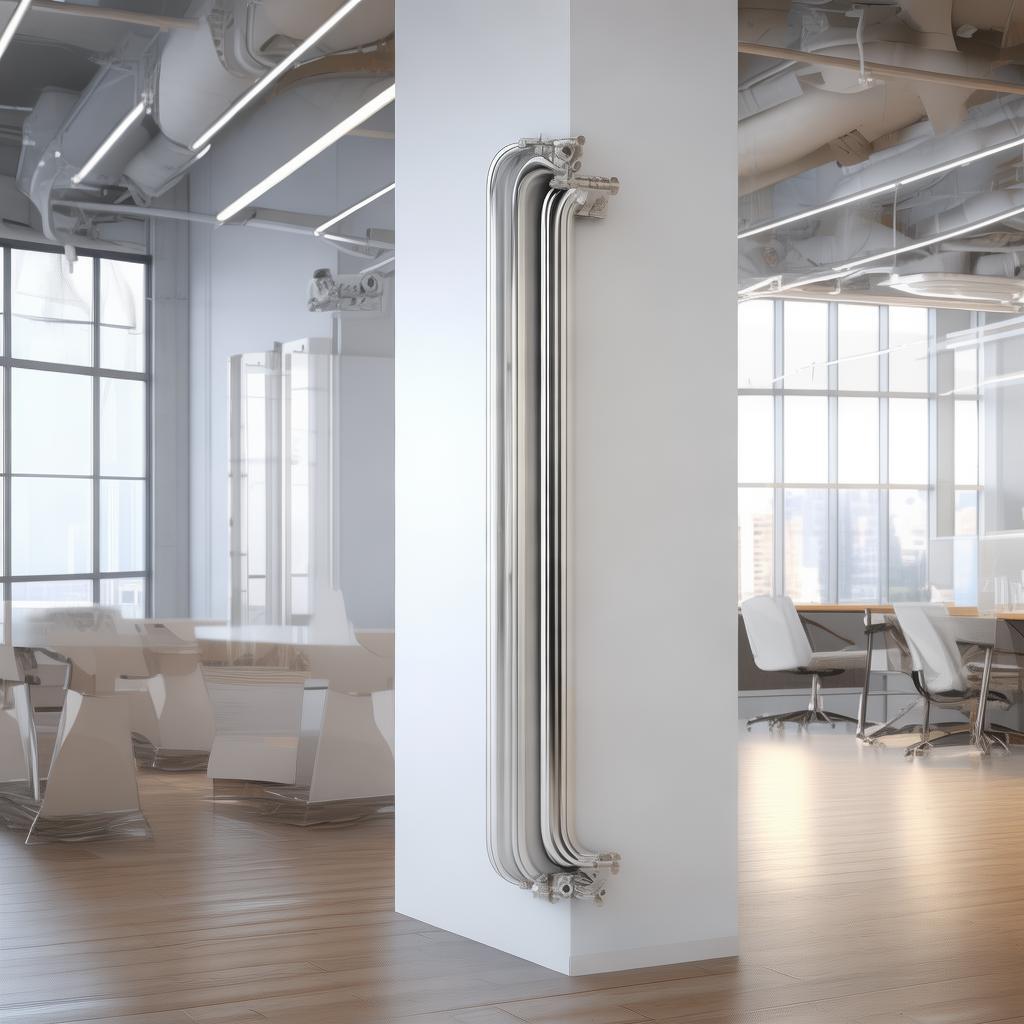
When weighing the differences between discount PVC pipe vs PPR pipe, consider the following advantages:
- Cost Savings: Discount PVC pipes can provide immediate budget relief for large-scale projects.
- Versatility: PVC pipes are adaptable for various applications, making them suitable for a broad range of projects.
- Energy Efficiency: PPR pipes maintain energy efficiency in hot water systems, reducing heating costs over time.
- Health Safety: Both materials are non-toxic and safe for drinking water, ensuring compliance with health standards.
- Low Maintenance: Both PVC and PPR pipes require minimal maintenance, making them reliable choices in the long term.
Why Choose Us
At [Your Company Name], we strive to be a trusted partner in your industrial and construction needs. Our commitment to quality, competitive pricing, and customer service sets us apart in the B2B marketplace:
- Expertise: Our team possesses extensive knowledge in the field, providing you with expert guidance on discount PVC pipe vs PPR pipe.
- Quality Assurance: We source our pipes from reputable manufacturers, ensuring you receive products that meet international standards.
- Tailored Solutions: We offer customized solutions to match the specific demands of your projects.
- Timely Delivery: Our logistics network ensures that your orders arrive on time, every time.
- Customer Support: We are always available to assist you with any inquiries or issues you may face.
FAQ
1. What is the main difference between discount PVC pipe and PPR pipe?
The primary difference lies in their material properties; PVC pipes are cheaper and suitable for cold water applications, while PPR pipes offer better temperature resistance and are ideal for hot water systems.
2. Can I use PVC pipes for hot water supply?
While PVC pipes can handle some hot water, they are not recommended for high-temperature applications. PPR pipes are a better choice for hot water systems.
3. Are both types of pipes safe for drinking water?
Yes, both discount PVC pipes and PPR pipes are non-toxic and safe for potable water applications, complying with health regulations.
4. How long do discount PVC pipes last?
Discount PVC pipes typically have a lifespan of 20-30 years, depending on the environmental conditions and usage.
5. Which pipe is better for outdoor applications?
While both types can be used outdoors, PVC pipes may degrade under prolonged UV exposure unless treated. PPR pipes are more resistant to environmental factors.
Related News
-
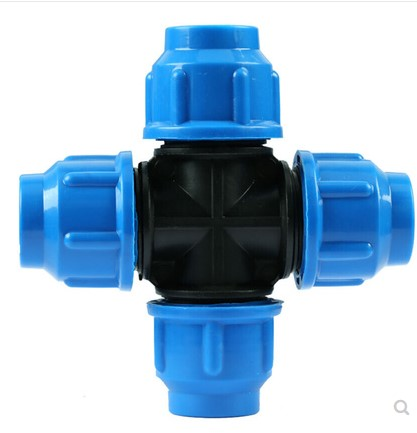
DN25 HDPE Compression Fitting-HORON INTERNATIONAL|Reliable Irrigation Solutions
-
DN25 HDPE Compression Fitting-HORON INTERNATIONAL|Reliable Irrigation Solutions
-
Understanding China 1 2 PPR Pipe in mm – Specifications, Uses & Innovations
-

China PPR Hot Water Pipe Insulation – Energy Efficient & Durable Solutions
-
Superior China PPR Hot Water Pipe – Durable, Cost-Effective & Eco-Friendly Plumbing Solution
-
Durable and Cost-Effective China 75mm Plastic Pipe for Global Water Infrastructure
-
China PPR Quick Connector - Fast, Reliable Plumbing Solutions Made in China
-
Comprehensive Guide to China HDPE Pipe Sizes and Dimensions | Horon Pipe