

discount ppr pipe vs pvc pipe
Discount PPR Pipe vs PVC Pipe
In the ever-evolving world of plumbing and construction materials, the choice between discount PPR pipe and PVC pipe has become increasingly significant. These two options offer distinct advantages and disadvantages, making it essential for businesses involved in international trade to understand their properties, applications, and overall performance. This product page provides a comprehensive comparison between discount PPR pipe and PVC pipe to help you make informed purchasing decisions.
Product Overview
Both discount PPR pipe and PVC pipe are widely used in various applications, from residential plumbing to commercial construction. PPR (Polypropylene Random Copolymer) pipes are known for their durability and resistance to high temperatures, while PVC (Polyvinyl Chloride) pipes are celebrated for their affordability and ease of installation. Understanding the differences between these two materials is crucial for selecting the right product for your specific needs.
Key Features
- Material Composition: PPR is a thermoplastic polymer that offers excellent chemical resistance, while PVC is made from synthetic plastic polymer, known for its robust strength and lightweight nature.
- Temperature Resistance: PPR pipes can withstand higher temperatures compared to PVC pipes, making them suitable for hot water applications.
- Installation: PVC pipes are easier to install due to their lightweight and the availability of various fittings, while PPR pipes require specialized tools for fusion welding.
- Longevity: PPR pipes often have a longer lifespan than PVC pipes, providing greater value in the long run.
- Cost: Discount PPR pipe offers competitive pricing while maintaining high quality, whereas PVC pipes are generally more affordable upfront.
Technical Specifications
| Specification | PPR Pipe | PVC Pipe |
|---|---|---|
| Material | Polypropylene Random Copolymer | Polyvinyl Chloride |
| Temperature Range | Up to 95°C (203°F) | Up to 60°C (140°F) |
| Lifespan | 50+ years | 25-40 years |
| Weight | Lightweight | Very lightweight |
| Cost | Moderate | Low |
Application Scenarios
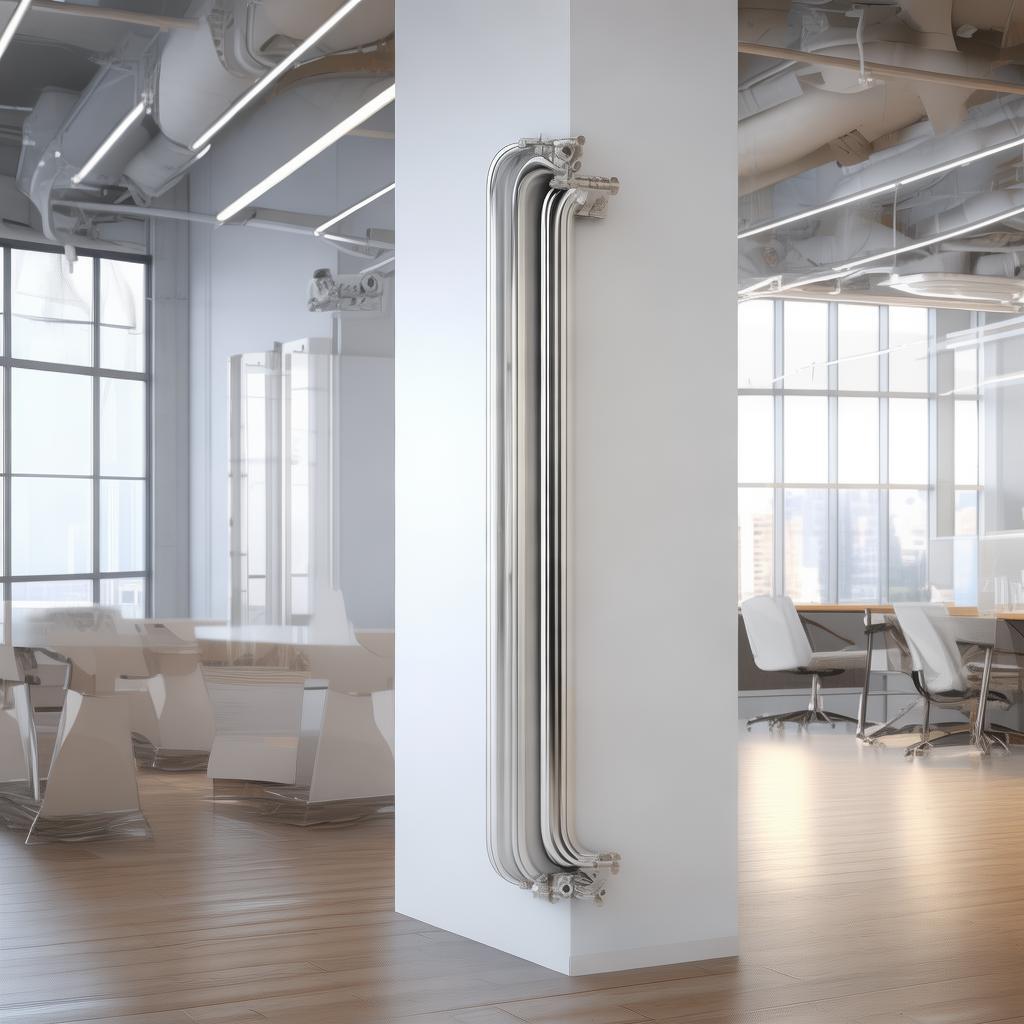
Both discount PPR pipe and PVC pipe find applications in various sectors. Here are some common scenarios for each:
- Discount PPR Pipe:
- Hot and cold water supply systems
- Heating installations
- Compressed air systems
- Industrial applications requiring chemical resistance
- PVC Pipe:
- Drainage and sewage systems
- Electrical conduits
- Municipal water supply
- Irrigation systems in agriculture
Advantages
Choosing between discount PPR pipe and PVC pipe depends on the specific requirements of your project. Here are some advantages of both materials:
- Advantages of Discount PPR Pipe:
- Superior thermal stability, making it ideal for hot water systems.
- Excellent long-term performance with minimal maintenance.
- Resistance to corrosion and scaling, enhancing water quality.
- Environmentally friendly as it is recyclable.
- Advantages of PVC Pipe:
- Cost-effective and widely available, ideal for budget-conscious projects.
- Easy to install with a wide range of fittings and accessories.
- Strong and durable against impact and weather conditions.
- Low friction, which allows for better flow rates in drainage applications.
Why Choose Us
When it comes to sourcing discount PPR pipe vs PVC pipe, we stand out as a trusted supplier in the international trade arena. Our commitment to quality, competitive pricing, and exceptional customer service sets us apart from the competition:
- Quality Assurance: We source our pipes from reputable manufacturers, ensuring that you receive products that meet international standards.
- Competitive Pricing: Our discount pricing strategies allow you to get the best value for your investment without compromising quality.
- Expert Guidance: Our knowledgeable team is available to provide insights and recommendations based on your specific application needs.
- Global Reach: We have extensive experience in international trade, making our logistics efficient and reliable.
FAQ
1. What is the main difference between discount PPR pipe and PVC pipe?
The primary difference lies in their material properties, with PPR pipe being better suited for hot water systems due to its higher temperature resistance, while PVC pipe is more affordable and easier to install for general plumbing applications.
2. Can PPR pipes be used for drinking water?
Yes, discount PPR pipes are safe for drinking water as they do not leach harmful chemicals and have excellent resistance to bacteria and corrosion.
3. Are PVC pipes recyclable?
Yes, PVC pipes can be recycled, although the process may vary based on local regulations and recycling facilities.
4. How long can I expect PPR and PVC pipes to last?
PPR pipes can last over 50 years with proper installation and maintenance, while PVC pipes typically have a lifespan of 25 to 40 years.
5. Is installation of PPR pipe more complicated than PVC pipe?
Yes, PPR pipes require specialized tools for fusion welding, making the installation process more complex compared to the straightforward solvent-welding method used for PVC pipes.
Related News
-
DN25 HDPE Compression Fitting-HORON INTERNATIONAL|Reliable Irrigation Solutions
-
DN25 HDPE Compression Fitting-HORON INTERNATIONAL|Reliable Irrigation Solutions
-
Understanding China 1 2 PPR Pipe in mm – Specifications, Uses & Innovations
-

China PPR Hot Water Pipe Insulation – Energy Efficient & Durable Solutions
-
Superior China PPR Hot Water Pipe – Durable, Cost-Effective & Eco-Friendly Plumbing Solution
-
Durable and Cost-Effective China 75mm Plastic Pipe for Global Water Infrastructure
-
China PPR Quick Connector - Fast, Reliable Plumbing Solutions Made in China
-
Comprehensive Guide to China HDPE Pipe Sizes and Dimensions | Horon Pipe