

discount hdpe pipe size chart
Discount HDPE Pipe Size Chart
Welcome to our comprehensive guide on the discount HDPE pipe size chart. High-Density Polyethylene (HDPE) pipes are essential in various applications due to their durability, flexibility, and resistance to corrosion. Our size chart provides a detailed overview of the different dimensions available, allowing you to select the right pipe for your specific needs.
Product Overview
Our discount HDPE pipe size chart is tailored for industries that require reliable and efficient piping solutions. HDPE pipes are manufactured from thermoplastic materials, making them an ideal choice for a wide range of applications, including water supply, drainage, and gas distribution. This size chart delineates the various dimensions and specifications of HDPE pipes, ensuring you have the necessary information to make informed purchasing decisions.
Key Features
- Durability: HDPE pipes are resistant to impact, chemicals, and ultraviolet light, ensuring a long lifespan.
- Flexibility: Their flexibility allows for easy installation and adaptability in various environments.
- Cost-Effectiveness: Our discount prices make HDPE pipes an affordable choice for large-scale projects.
- Environmentally Friendly: HDPE is recyclable, contributing to sustainable practices in the industry.
- Lightweight: Easier handling and transportation compared to traditional piping materials.
Technical Specifications
| Pipe Size (inches) | Nominal Diameter (mm) | Wall Thickness (mm) | Length (m) | Weight (kg/m) |
|---|---|---|---|---|
| 2 | 50 | 2.3 | 6 | 0.77 |
| 4 | 100 | 3.2 | 6 | 1.03 |
| 6 | 150 | 4.0 | 6 | 1.33 |
| 8 | 200 | 5.0 | 6 | 1.78 |
| 10 | 250 | 6.2 | 6 | 2.16 |
Application Scenarios
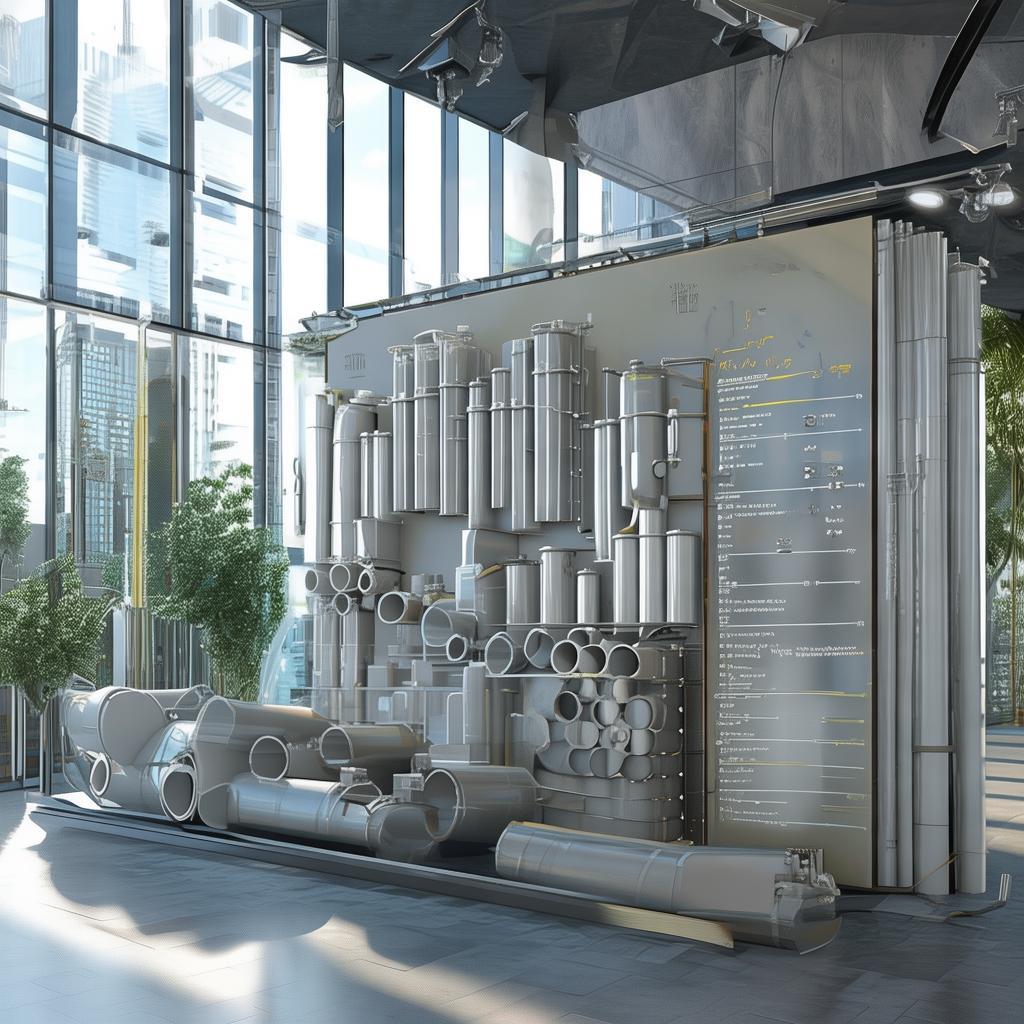
The discount HDPE pipe size chart is applicable in various sectors and settings, including:
- Agriculture: Effective for irrigation systems and drainage solutions.
- Municipal Water Supply: Ideal for transporting potable water due to its non-toxic nature.
- Construction: Used in sewer systems, storm drains, and foundation drainage.
- Industrial: Suitable for chemical transfer and waste management systems.
- Telecommunications: Employed in the installation of conduit systems for fiber optic cables.
Advantages
Choosing HDPE pipes provides numerous advantages:
- Long Lifespan: With a lifespan exceeding 50 years, HDPE pipes reduce the need for frequent replacements.
- Resistance to Corrosion: HDPE's chemical resistance ensures a safe and reliable service life.
- Cost Savings: The lightweight nature and ease of installation translate to lower labor and transportation costs.
- Safety: Non-toxic and safe for drinking water applications, promoting public health.
- Low Maintenance: HDPE pipes require minimal upkeep, making them a hassle-free choice for various applications.
Why Choose Us
When it comes to sourcing HDPE pipes, we stand out as a trusted supplier for several reasons:
- Competitive Pricing: Our discount HDPE pipe size chart ensures that you receive high-quality products at unbeatable prices.
- Expertise: With years of experience in the industry, we offer knowledgeable insights and support.
- Quality Assurance: Our HDPE pipes undergo rigorous testing to meet international standards.
- Customer-Centric Approach: We prioritize your needs and strive to provide tailored solutions for your projects.
- Global Reach: We cater to clients worldwide, facilitating international trade with ease and efficiency.
FAQ
1. What sizes are available in the discount HDPE pipe size chart?
Our size chart includes a range of dimensions from 2 inches to 10 inches, with specifications for nominal diameter, wall thickness, length, and weight.
2. Can HDPE pipes be used for drinking water?
Yes, HDPE pipes are safe for potable water applications, as they are non-toxic and comply with health regulations.
3. How do I determine the right size of HDPE pipe for my application?
Consider factors such as the flow rate, pressure requirements, and the specific application scenario. Our discount HDPE pipe size chart can assist you in making the right choice.
4. What is the lifespan of HDPE pipes?
HDPE pipes can last over 50 years when properly installed and maintained, making them a durable choice for various applications.
5. Are HDPE pipes resistant to chemicals?
Yes, HDPE pipes exhibit excellent resistance to many chemicals, making them suitable for industrial applications involving chemical transfer.
Related News
-
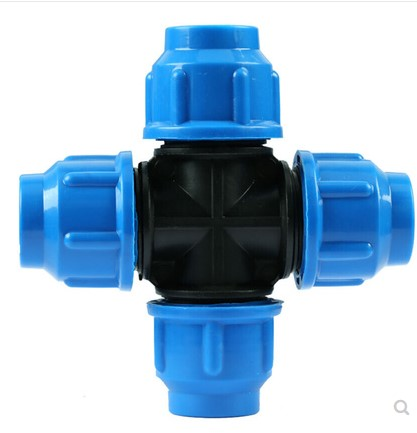
DN25 HDPE Compression Fitting-HORON INTERNATIONAL|Reliable Irrigation Solutions
-
DN25 HDPE Compression Fitting-HORON INTERNATIONAL|Reliable Irrigation Solutions
-
Understanding China 1 2 PPR Pipe in mm – Specifications, Uses & Innovations
-

China PPR Hot Water Pipe Insulation – Energy Efficient & Durable Solutions
-
Superior China PPR Hot Water Pipe – Durable, Cost-Effective & Eco-Friendly Plumbing Solution
-
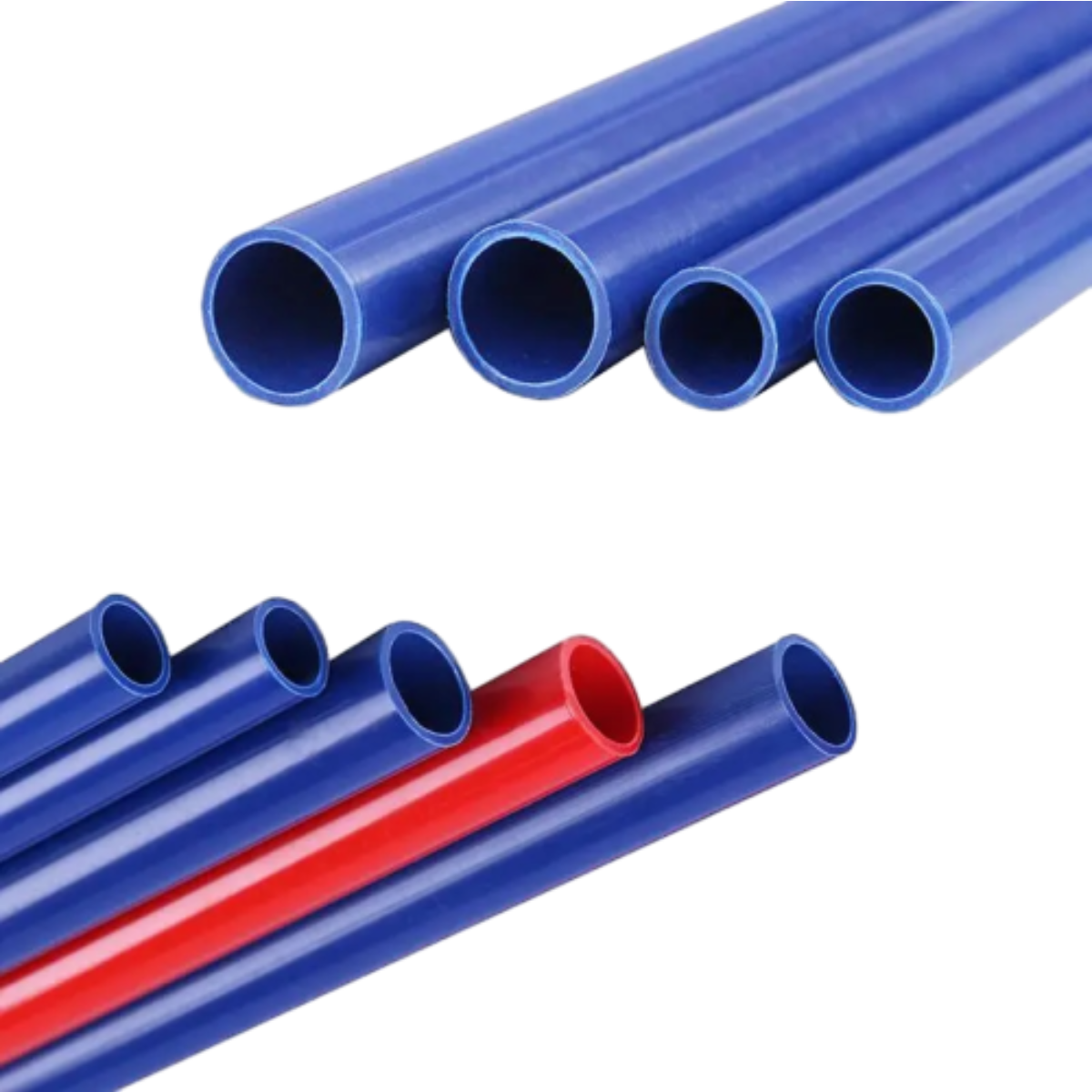
Durable and Cost-Effective China 75mm Plastic Pipe for Global Water Infrastructure
-
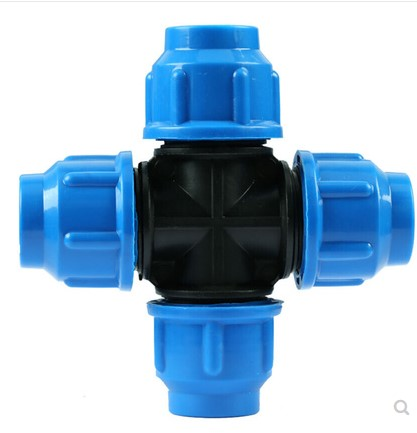
China PPR Quick Connector - Fast, Reliable Plumbing Solutions Made in China
-
Comprehensive Guide to China HDPE Pipe Sizes and Dimensions | Horon Pipe