

china use of ppr pipe
China Use of PPR Pipe
The China use of PPR pipe has increasingly become a preferred choice for plumbing and heating systems across various sectors. This innovative piping system, made from polypropylene random copolymer, offers superior resistance to temperature and pressure, making it ideal for both residential and industrial applications. With its lightweight nature and ease of installation, PPR pipe stands out as a reliable solution for fluid transportation.
Key Features
- Durability: PPR pipes are resistant to corrosion, scaling, and chemical reactions, ensuring a long service life.
- Temperature Resistance: Capable of withstanding temperatures up to 95°C (203°F) for hot water applications.
- Low Thermal Conductivity: Reduces energy loss and enhances system efficiency.
- Lightweight: Easy to handle and install, reducing labor costs.
- Environmentally Friendly: Made from recyclable materials, contributing to sustainability.
Technical Specifications
| Specification | Details |
|---|---|
| Material | Polypropylene Random Copolymer (PPR) |
| Pressure Rating | PN 10, PN 16, PN 20 |
| Temperature Range | -20°C to 95°C (-4°F to 203°F) |
| Pipe Diameter | 20mm to 160mm |
| Standard | ISO 15874 |
Application Scenarios
The China use of PPR pipe is versatile and can be employed in various applications, including:
- Residential Plumbing: Ideal for hot and cold water supply systems.
- Heating Systems: Perfect for underfloor heating and radiator connections.
- Industrial Applications: Used in chemical processing and food industries due to its chemical resistance.
- Drinking Water Systems: Safe for potable water transportation, meeting health standards.
- Irrigation Systems: Efficient in agricultural applications for water distribution.
Advantages
Choosing the China use of PPR pipe offers numerous advantages, including:
- Cost-Effective: Lower installation and maintenance costs due to its long lifespan and durability.
- Easy Installation: Lightweight and flexible, allowing for quick assembly and reduced labor time.
- Leak-Proof Joints: Fusion welding creates strong joints that prevent leaks and ensure system integrity.
- Health and Safety: Free from toxic substances, ensuring safety in drinking water applications.
- Energy Efficiency: Low thermal conductivity minimizes heat loss, leading to energy savings.
Why Choose Us
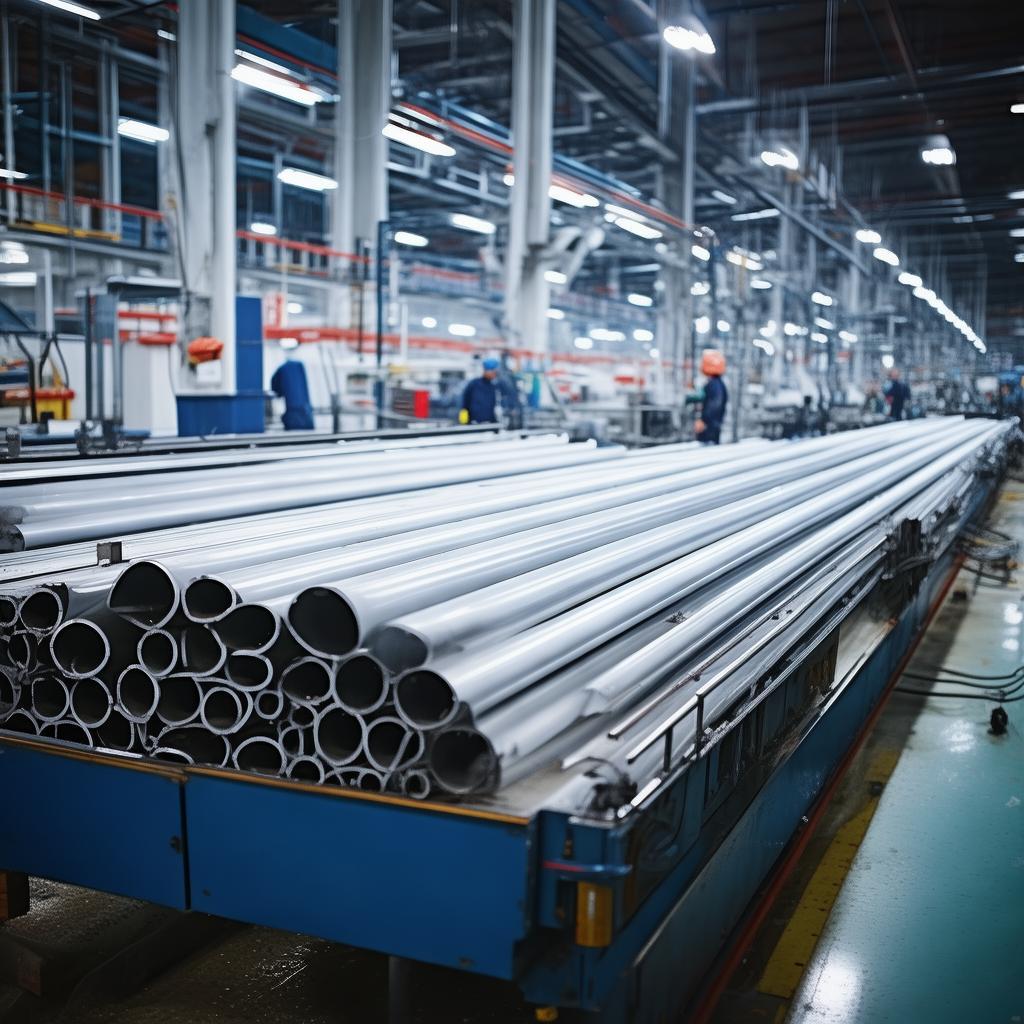
When it comes to the China use of PPR pipe, our company stands out in the market for several reasons:
- Quality Assurance: We adhere to international standards in manufacturing, ensuring high-quality products.
- Expertise: With years of experience in the industry, we offer unparalleled knowledge and support.
- Comprehensive Range: Our extensive product line includes various sizes and pressure ratings to meet diverse needs.
- Customer-Centric Approach: We prioritize client satisfaction by providing tailored solutions and exceptional service.
- Competitive Pricing: We offer cost-effective solutions without compromising on quality.
FAQ
What is PPR pipe?
PPR pipe, or polypropylene random copolymer pipe, is a type of plastic piping used for plumbing and industrial applications. It is known for its durability and resistance to heat and chemicals.
What are the benefits of using PPR pipes?
Benefits of PPR pipes include their high durability, lightweight design, corrosion resistance, low thermal conductivity, and ease of installation, making them cost-effective solutions for various applications.
Can PPR pipes be used for drinking water?
Yes, PPR pipes are safe for potable water applications and meet health standards, making them an excellent choice for drinking water systems.
How long do PPR pipes last?
With proper installation and maintenance, PPR pipes can last for 50 years or more, depending on the application and environmental conditions.
Are PPR pipes easy to install?
Yes, PPR pipes are lightweight and easy to handle, which simplifies the installation process and reduces labor costs.
Related News
-
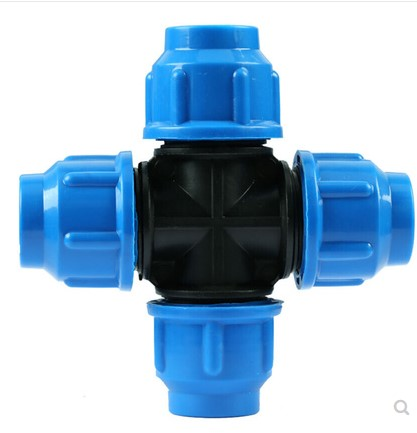
DN25 HDPE Compression Fitting-HORON INTERNATIONAL|Reliable Irrigation Solutions
-
DN25 HDPE Compression Fitting-HORON INTERNATIONAL|Reliable Irrigation Solutions
-
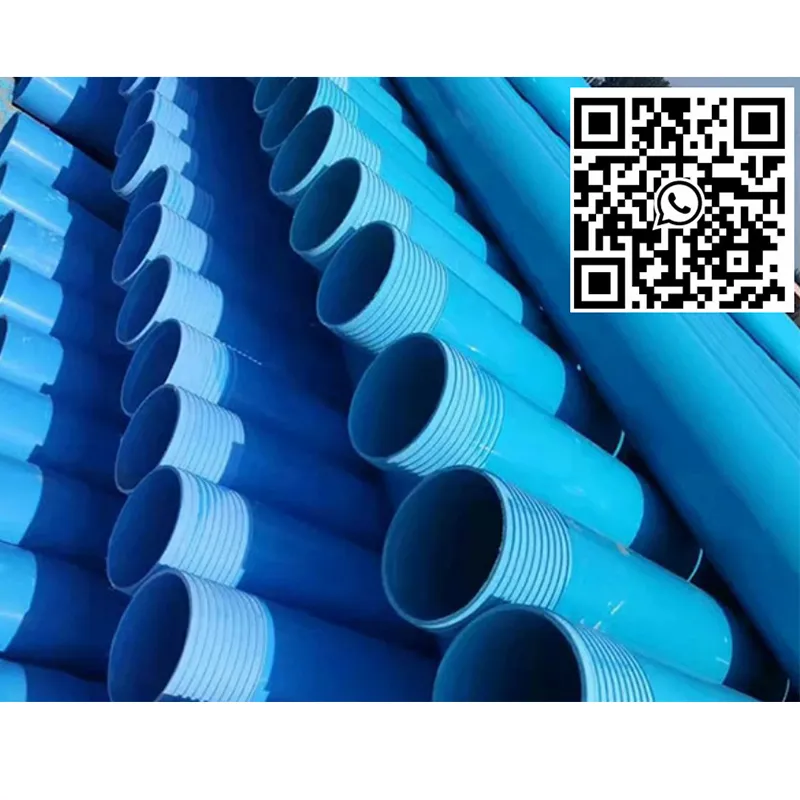
Understanding China 1 2 PPR Pipe in mm – Specifications, Uses & Innovations
-

China PPR Hot Water Pipe Insulation – Energy Efficient & Durable Solutions
-
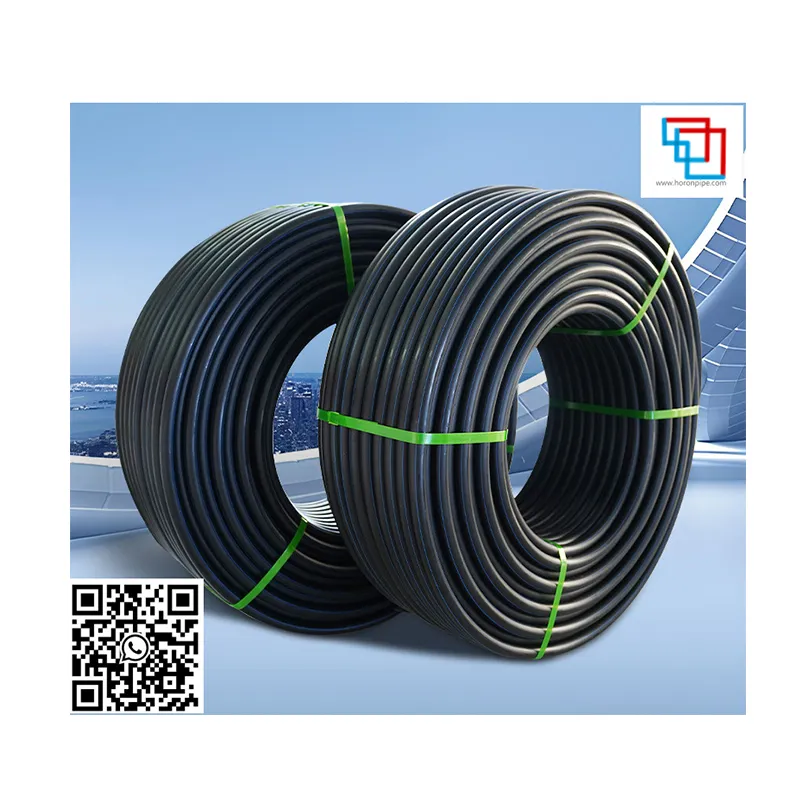
Superior China PPR Hot Water Pipe – Durable, Cost-Effective & Eco-Friendly Plumbing Solution
-
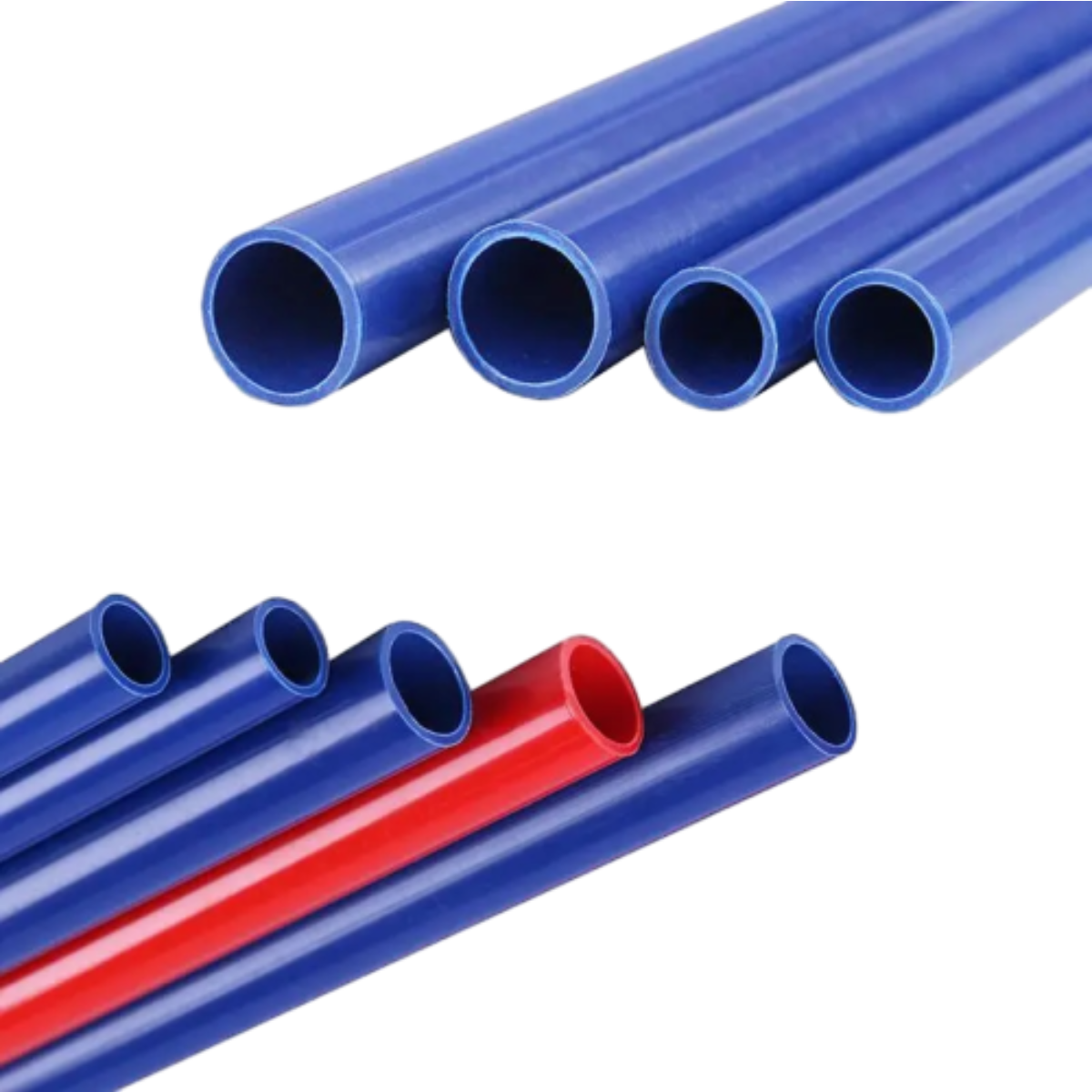
Durable and Cost-Effective China 75mm Plastic Pipe for Global Water Infrastructure
-
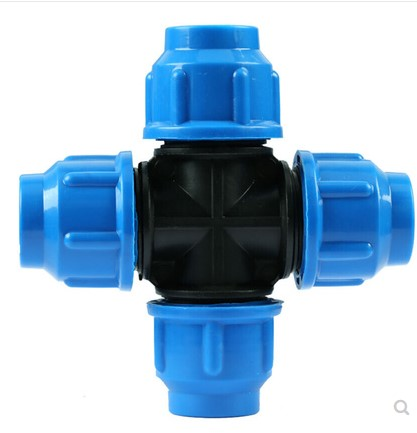
China PPR Quick Connector - Fast, Reliable Plumbing Solutions Made in China
-
Comprehensive Guide to China HDPE Pipe Sizes and Dimensions | Horon Pipe