

china ppr pipe vs pvc pipe
China PPR Pipe vs PVC Pipe
In the realm of plumbing and piping solutions, the choice between china ppr pipe vs pvc pipe is crucial for achieving optimal performance and durability in various applications. Both materials have unique properties that cater to different needs, making it essential to understand their characteristics, advantages, and potential use cases. This comprehensive guide provides an in-depth comparison to aid in your decision-making process.
Product Overview
Polypropylene Random Copolymer (PPR) and Polyvinyl Chloride (PVC) are two popular materials used in piping systems across the globe. The china ppr pipe is known for its exceptional thermal resistance and flexibility, while PVC pipes are celebrated for their affordability and ease of installation. Understanding the differences and similarities between these two materials is vital for industries involved in construction, plumbing, and irrigation.
Key Features
- China PPR Pipe: Excellent thermal insulation, resistant to corrosion, and has a long lifespan.
- PVC Pipe: Lightweight, cost-effective, and resistant to chemical corrosion.
- Both: Offer low-friction surfaces, reducing energy loss in fluid transport.
Technical Specifications
| Property | China PPR Pipe | PVC Pipe |
|---|---|---|
| Material | Polypropylene Random Copolymer | Polyvinyl Chloride |
| Temperature Resistance | Up to 90°C | Up to 60°C |
| Lifespan | 50 years | 25-30 years |
| Chemical Resistance | Excellent | Good |
| Weight | Lightweight | Very lightweight |
Application Scenarios
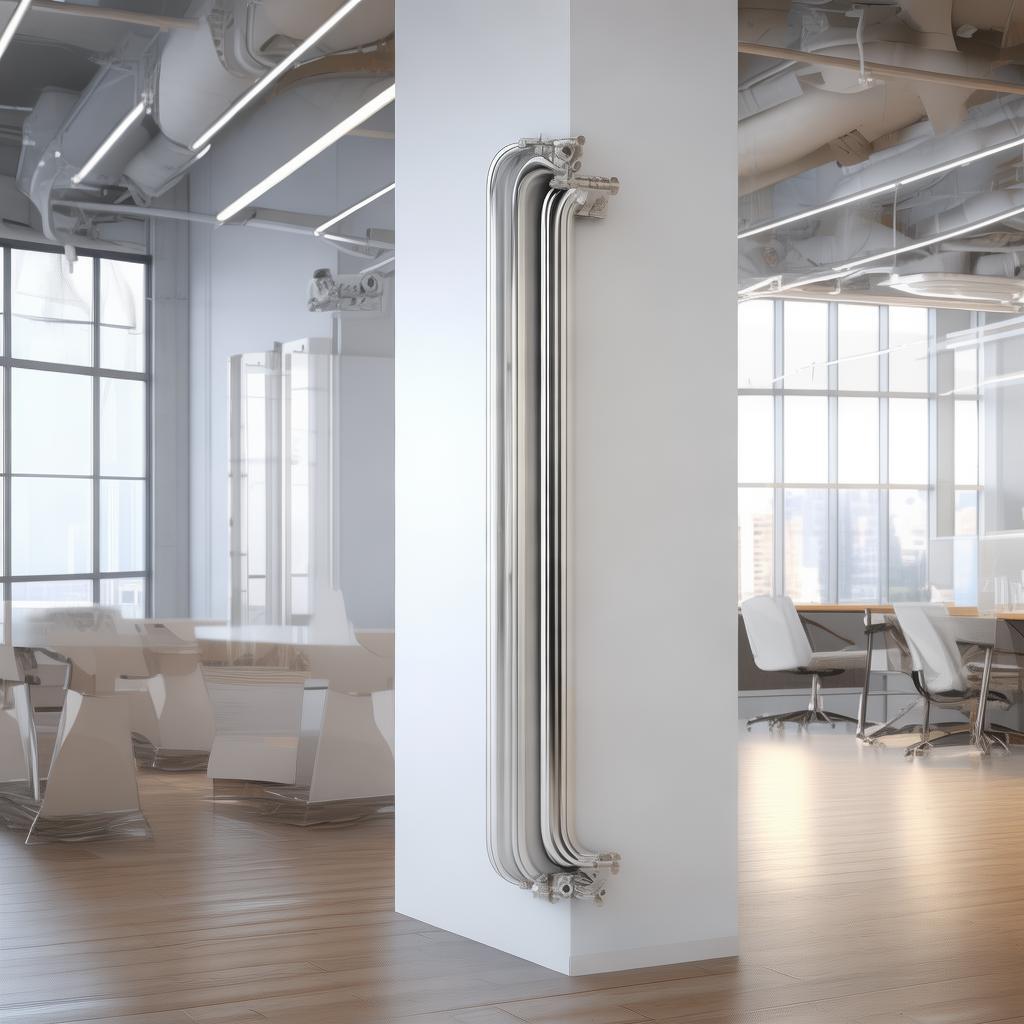
Understanding where to apply china ppr pipe vs pvc pipe can significantly affect project outcomes. Here are some common applications for each:
China PPR Pipe Applications:
- Hot and cold water supply systems.
- Heating systems including underfloor heating.
- Industrial applications requiring high-temperature resistance.
- Potable water distribution.
PVC Pipe Applications:
- Drainage and vent systems.
- Wastewater management.
- Irrigation in agricultural settings.
- Electrical conduits and cable management.
Advantages
When comparing china ppr pipe vs pvc pipe, several advantages emerge for each material:
Advantages of China PPR Pipe:
- Durability: PPR pipes are highly resistant to impact and corrosion, ensuring a longer lifespan.
- Thermal Resistance: Capable of withstanding high temperatures, making them ideal for hot water applications.
- Low Thermal Conductivity: Excellent insulation properties help maintain temperature and energy efficiency.
- Environmentally Friendly: Made from non-toxic materials, suitable for potable water systems.
Advantages of PVC Pipe:
- Cost-Effective: Generally cheaper, making it a preferred choice for budget-conscious projects.
- Easy Installation: Lightweight and easy to handle, reducing labor costs and installation time.
- Good Chemical Resistance: Ideal for transporting a variety of chemicals and wastewater.
- Versatility: Suitable for a wide range of applications, including irrigation and drainage.
Why Choose Us
Choosing the right supplier for your piping needs is just as important as selecting the right material. Our company stands out in the industry due to:
- Expertise: Years of experience in the manufacturing and distribution of pipes, ensuring high-quality products.
- Quality Assurance: All products undergo rigorous testing to meet international standards.
- Comprehensive Range: A wide selection of both china ppr pipe and PVC pipes tailored to various applications.
- Customer Support: Dedicated support team ready to assist in choosing the right product for your project.
FAQ
1. What is the main difference between PPR and PVC pipes?
The primary difference lies in their material properties—PPR pipes are better suited for hot water applications due to their high-temperature resistance, while PVC pipes are more cost-effective and commonly used for drainage and irrigation.
2. Can PPR pipes be used for drinking water?
Yes, china ppr pipe is made from non-toxic materials, making it safe for transporting potable water.
3. Are PVC pipes recyclable?
PVC pipes can be recycled, but the recycling process can be complex due to the chemical additives used during manufacturing.
4. Which pipe has a longer lifespan?
Generally, PPR pipes have a longer lifespan of around 50 years compared to PVC pipes, which last about 25-30 years.
5. Is it possible to join PPR and PVC pipes?
While it is technically possible to connect PPR and PVC pipes using appropriate fittings, it is not recommended due to differing thermal expansion and structural properties.
Related News
-
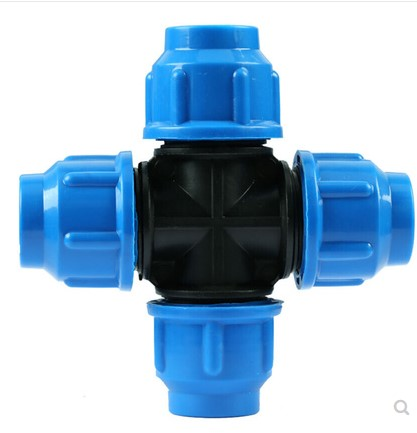
DN25 HDPE Compression Fitting-HORON INTERNATIONAL|Reliable Irrigation Solutions
-
DN25 HDPE Compression Fitting-HORON INTERNATIONAL|Reliable Irrigation Solutions
-
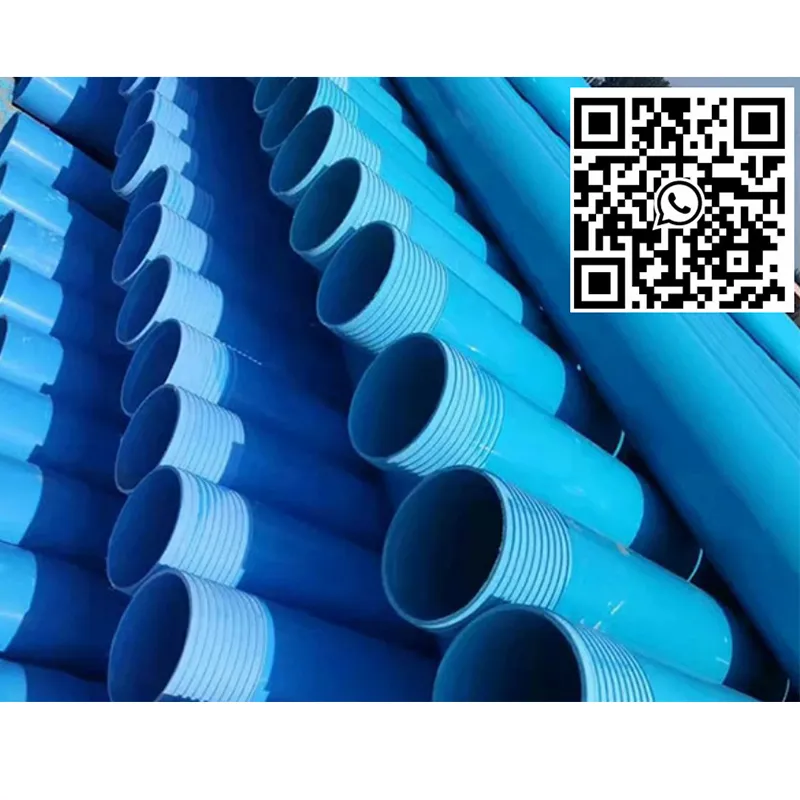
Understanding China 1 2 PPR Pipe in mm – Specifications, Uses & Innovations
-

China PPR Hot Water Pipe Insulation – Energy Efficient & Durable Solutions
-
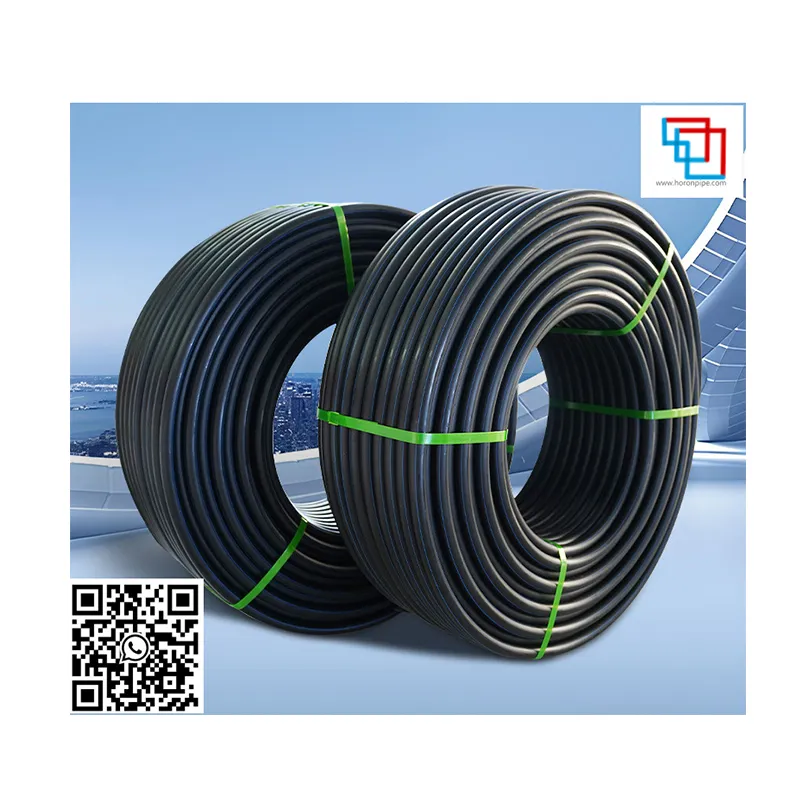
Superior China PPR Hot Water Pipe – Durable, Cost-Effective & Eco-Friendly Plumbing Solution
-
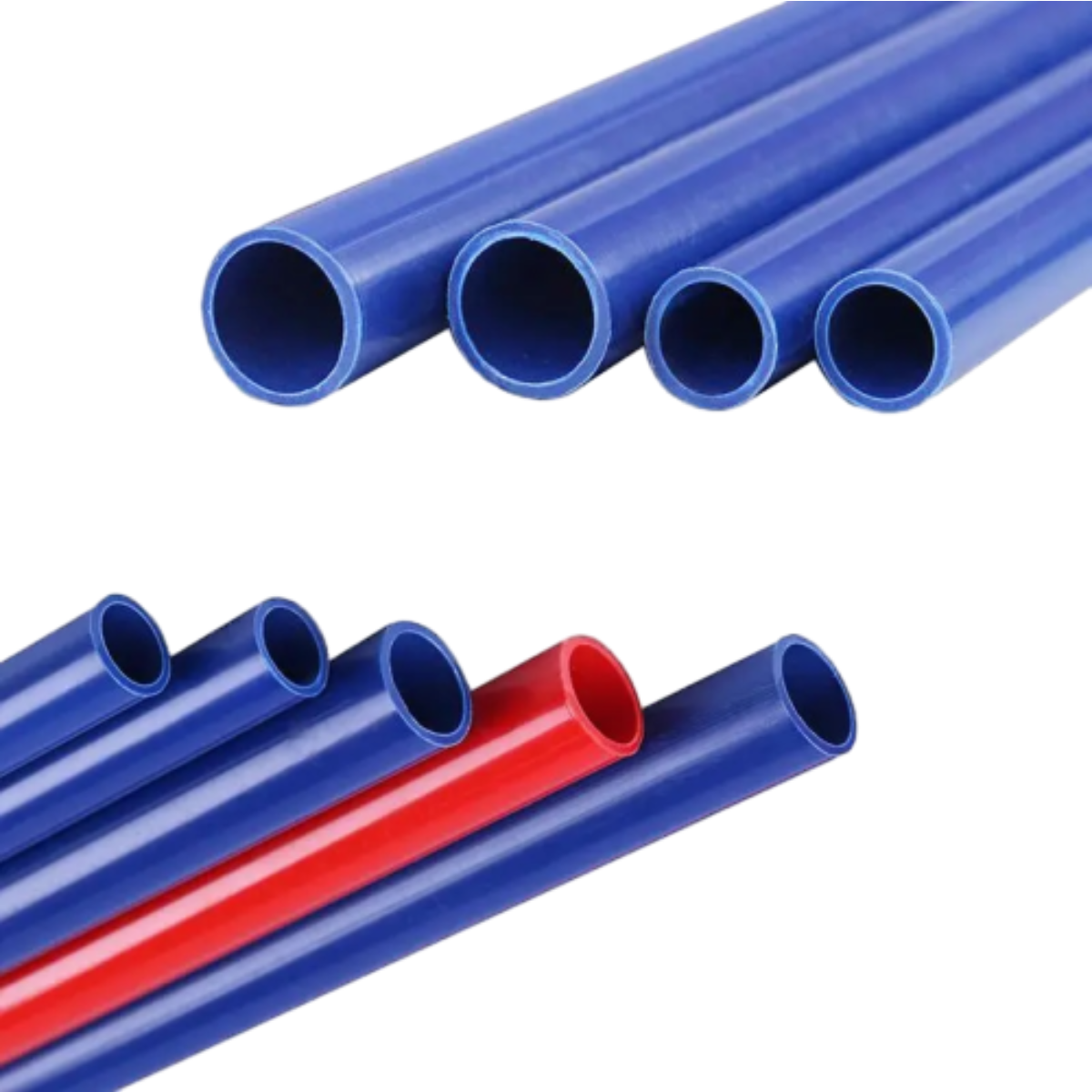
Durable and Cost-Effective China 75mm Plastic Pipe for Global Water Infrastructure
-
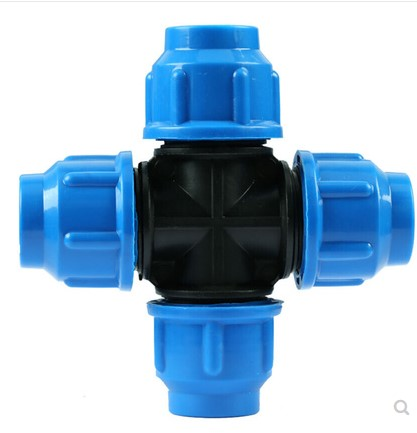
China PPR Quick Connector - Fast, Reliable Plumbing Solutions Made in China
-
Comprehensive Guide to China HDPE Pipe Sizes and Dimensions | Horon Pipe