

china ppr pipe heating time
China PPR Pipe Heating Time
The China PPR pipe heating time is a crucial factor in ensuring the efficiency and reliability of plumbing systems. PPR (Polypropylene Random Copolymer) pipes are increasingly favored in industrial and residential applications due to their durability, lightweight properties, and resistance to corrosion. Understanding the heating time associated with these pipes is essential for optimizing installation and performance.
Key Features
- Rapid Heating: Designed for quick installation with minimal downtime.
- High Thermal Stability: Maintains structural integrity under varying temperatures.
- Eco-Friendly: Made from recyclable materials, contributing to sustainable building practices.
- Versatile Applications: Suitable for hot and cold water systems, as well as heating systems.
- Cost-Effective: Reduces overall project costs through durability and ease of installation.
Technical Specifications
| Specification | Value |
|---|---|
| Material | Polypropylene Random Copolymer (PPR) |
| Heating Time | Approximately 10-20 minutes (depends on thickness and diameter) |
| Temperature Resistance | Up to 95°C (203°F) |
| Pressure Rating | PN20 (20 bar) |
| Diameter Range | 20mm to 160mm |
| Standard Compliance | ISO 15874, ASTM F2389 |
Application Scenarios
The China PPR pipe heating time is particularly relevant in various applications, including:
- Residential Plumbing: Ideal for both hot and cold water supply systems.
- Industrial Systems: Used in factories for transporting hot liquids and gases.
- Heating Systems: Suitable for underfloor heating and radiator systems.
- Agricultural Usage: Efficient for irrigation systems that require robust piping solutions.
- Commercial Buildings: Extensive use in hotels, hospitals, and office complexes.
Advantages
Investing in China PPR pipe heating time technology offers numerous advantages:
- Efficiency: Reduces installation time and labor costs, enhancing overall project efficiency.
- Durability: PPR pipes are resistant to corrosion, scaling, and chemical degradation, ensuring a long lifespan.
- Safety: Non-toxic material that complies with health and safety regulations, making it safe for potable water systems.
- Low Maintenance: Requires minimal maintenance, thus lowering long-term operational costs.
- Lightweight Design: Easy to handle, transport, and install, further reducing labor requirements.
Why Choose Us
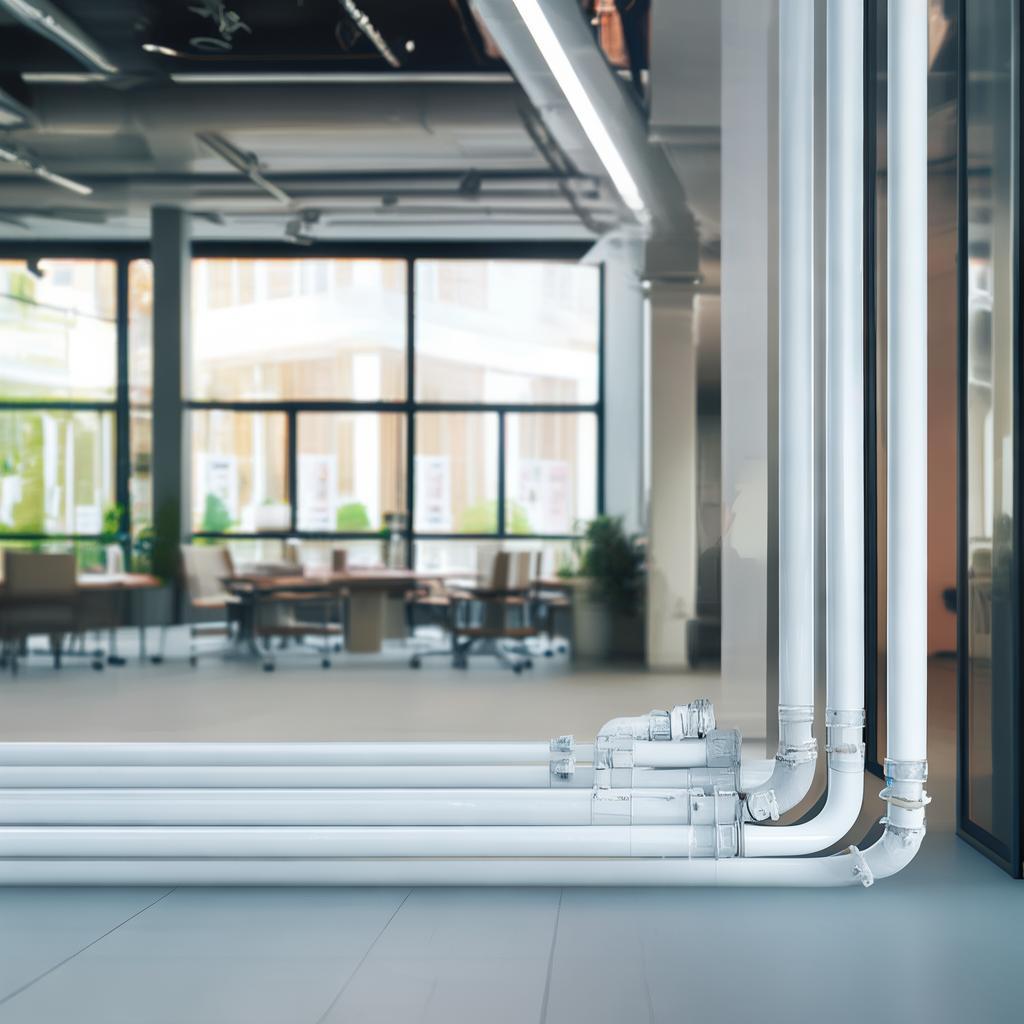
Our company stands out in the international trade of plumbing solutions, particularly in PPR pipes. Here’s why you should trust us:
- Expertise: Years of experience in the industry with a focus on innovative piping solutions.
- Quality Assurance: Our products undergo rigorous quality control to meet international standards.
- Comprehensive Support: We provide technical assistance and guidance throughout the installation process.
- Competitive Pricing: Offering the best market rates without compromising on quality.
- Global Reach: We cater to clients worldwide, ensuring timely delivery and reliable service.
FAQ
What is the heating time for PPR pipes?
The China PPR pipe heating time varies depending on the pipe's thickness and diameter, typically ranging from 10 to 20 minutes.
Can PPR pipes be used for hot water systems?
Yes, PPR pipes are specifically designed for both hot and cold water systems, withstanding temperatures up to 95°C (203°F).
How do I install PPR pipes?
PPR pipes are installed using a fusion welding method, which requires heating the pipe ends until they melt and then joining them together. For optimal China PPR pipe heating time, ensure you follow the manufacturer's guidelines.
Are PPR pipes environmentally friendly?
Absolutely! PPR pipes are made from recyclable materials and contribute to sustainable building practices.
What are the pressure ratings for PPR pipes?
PPR pipes typically have a pressure rating of PN20, which means they can withstand up to 20 bar of pressure.
Do PPR pipes require special maintenance?
One of the advantages of PPR pipes is their low maintenance requirements. Regular checks for leaks and ensuring proper insulation for hot water systems are generally sufficient.
Related News
-
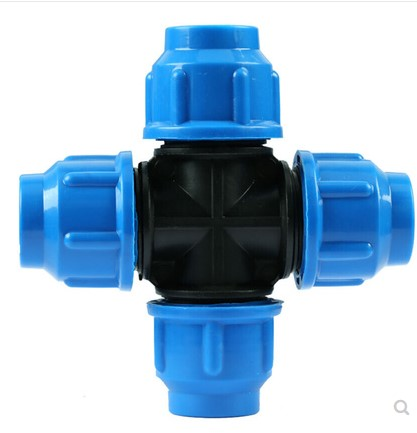
DN25 HDPE Compression Fitting-HORON INTERNATIONAL|Reliable Irrigation Solutions
-
DN25 HDPE Compression Fitting-HORON INTERNATIONAL|Reliable Irrigation Solutions
-
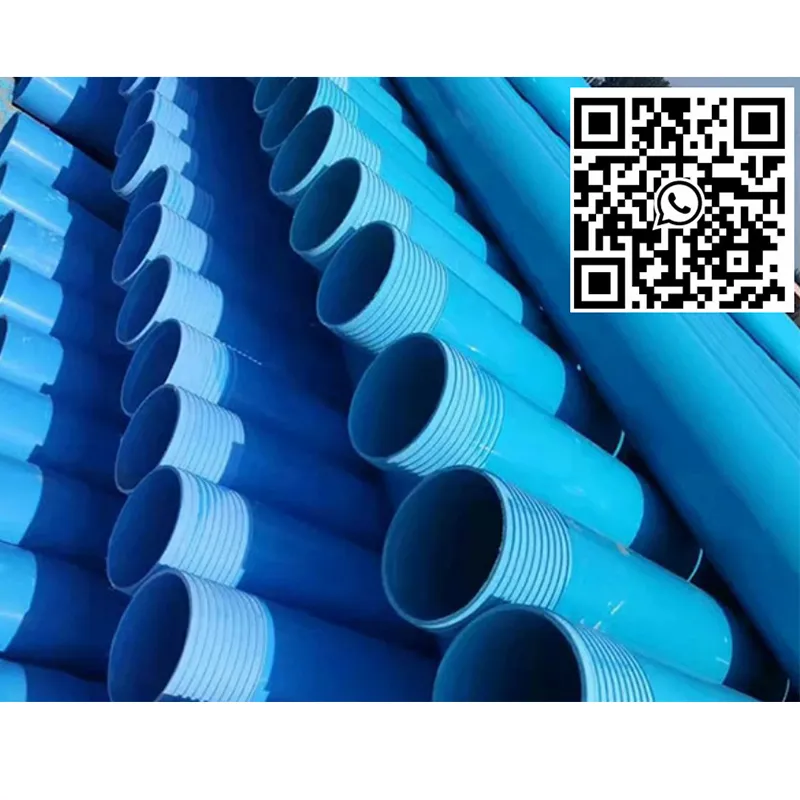
Understanding China 1 2 PPR Pipe in mm – Specifications, Uses & Innovations
-

China PPR Hot Water Pipe Insulation – Energy Efficient & Durable Solutions
-
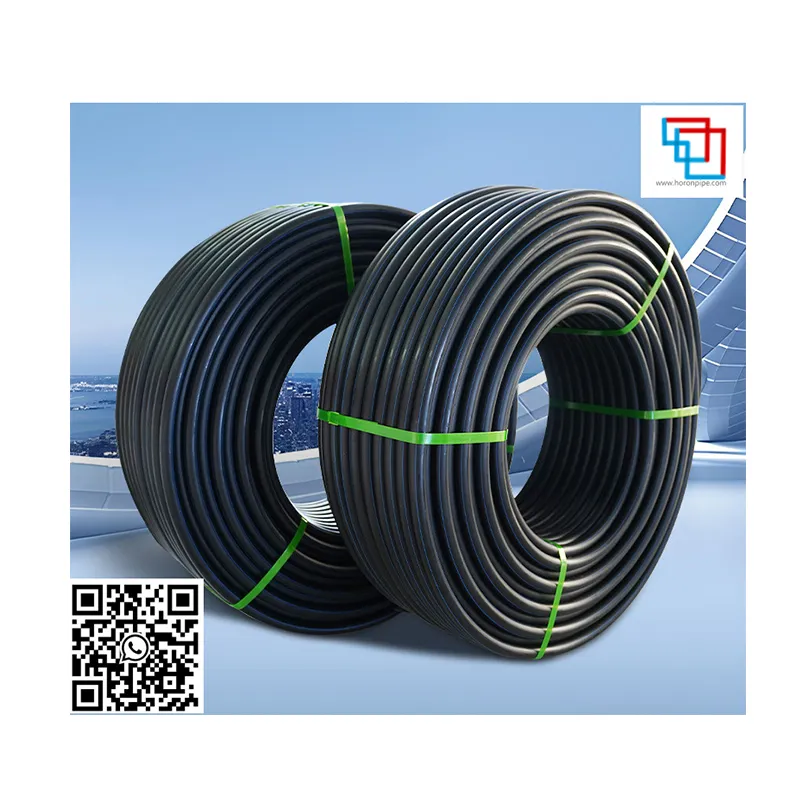
Superior China PPR Hot Water Pipe – Durable, Cost-Effective & Eco-Friendly Plumbing Solution
-
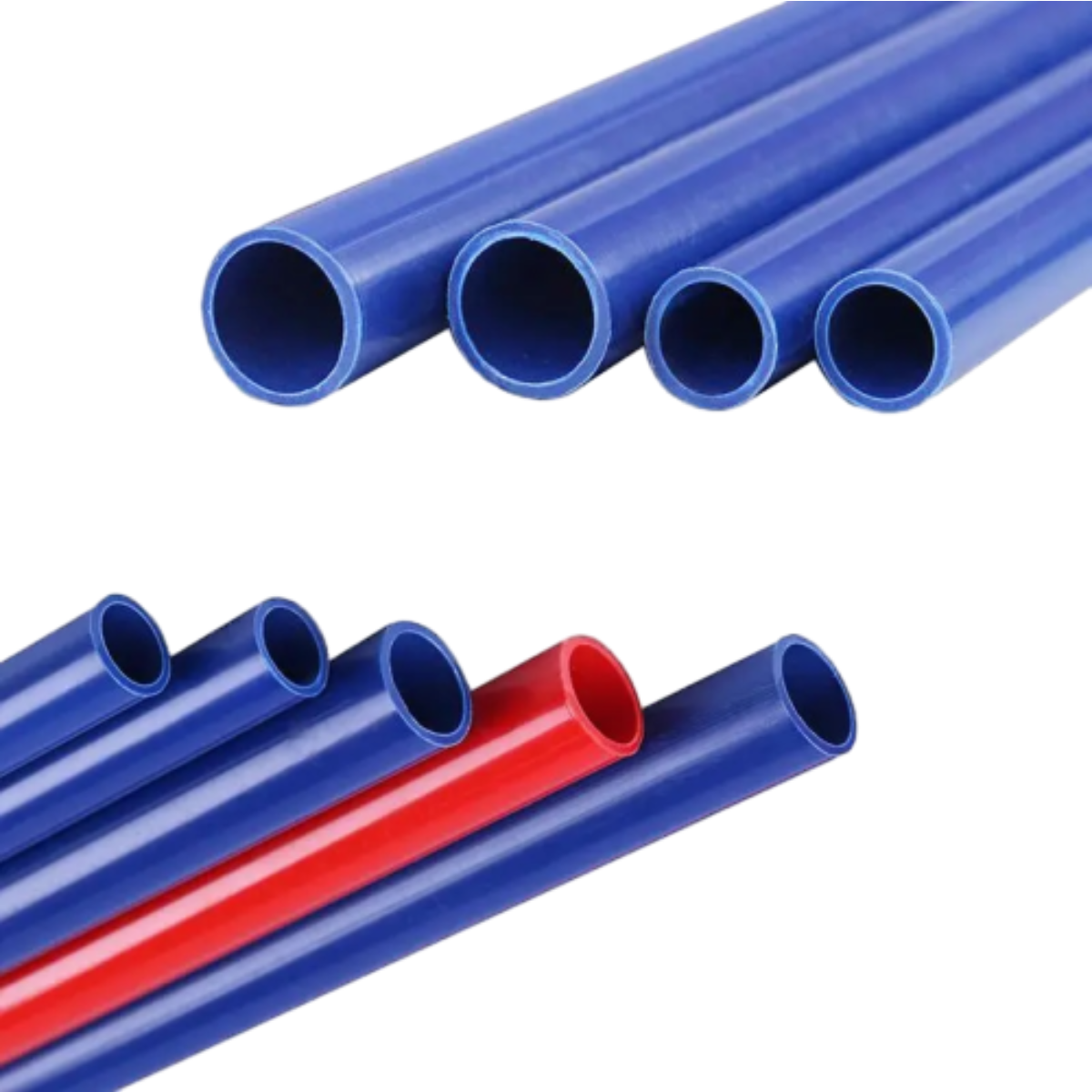
Durable and Cost-Effective China 75mm Plastic Pipe for Global Water Infrastructure
-
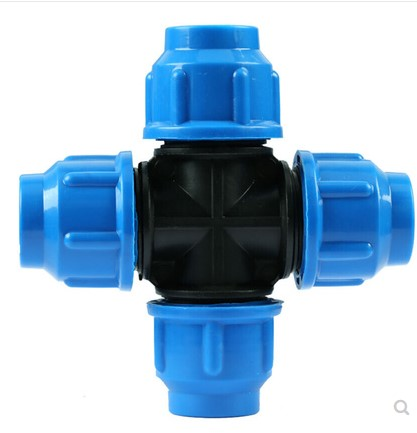
China PPR Quick Connector - Fast, Reliable Plumbing Solutions Made in China
-
Comprehensive Guide to China HDPE Pipe Sizes and Dimensions | Horon Pipe