

Feb . 11, 2026 00:01 Back to list
hdpe pipe suppliers factory Technical Performance Analysis
Introduction
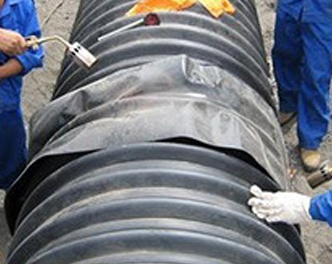
High-Density Polyethylene (HDPE) pipe represents a significant advancement in fluid and gas conveyance systems, increasingly favored across numerous industrial sectors. HDPE pipe suppliers factory operations are pivotal in providing this critical infrastructure component. This guide provides an in-depth technical overview of HDPE pipe, covering its material science, manufacturing processes, performance characteristics, potential failure modes, and relevant industry standards. The growing demand for durable, corrosion-resistant, and cost-effective piping solutions fuels the necessity for specialized manufacturers and a thorough understanding of the material’s intricacies. Current industry pain points include ensuring long-term hydrostatic strength, managing slow crack growth (SCG) susceptibility, and maintaining dimensional tolerances during installation – all areas addressed within this technical analysis. The rise of trenchless technologies, demanding flexible and joint-less pipe, further emphasizes the importance of high-quality HDPE pipe production and supplier competency.
Material Science & Manufacturing
HDPE is a thermoplastic polymer derived from the polymerization of ethylene. Its high density (typically 0.941 to 0.965 g/cm³) contributes to its strength and rigidity. The raw material's molecular weight distribution significantly influences its processability and final mechanical properties. PE100, PE80 and PE63 are common grades, denoting the minimum required long-term hydrostatic strength (MRS) in MPa. Manufacturing processes for HDPE pipe primarily include extrusion. In extrusion, HDPE resin pellets are melted and forced through a die to create a continuous pipe profile. Critical parameters include melt temperature (typically 180-210°C), die pressure, and cooling rate. Precise control of these parameters is crucial to achieve uniform wall thickness and prevent material degradation. Pipe dimensions are governed by standards such as ASTM D3350 and EN 12201. Butt fusion, electrofusion, and mechanical fittings are commonly used for joining HDPE pipes, each requiring specific surface preparation and process controls to ensure a leak-proof and structurally sound joint. The use of carbon black as a UV stabilizer is common, though other additives like antioxidants and stabilizers are also frequently incorporated to enhance long-term performance and resistance to environmental degradation. Raw material quality control, including melt flow index (MFI) testing and density measurements, are essential for maintaining consistent product quality within hdpe pipe suppliers factory operations.
Performance & Engineering
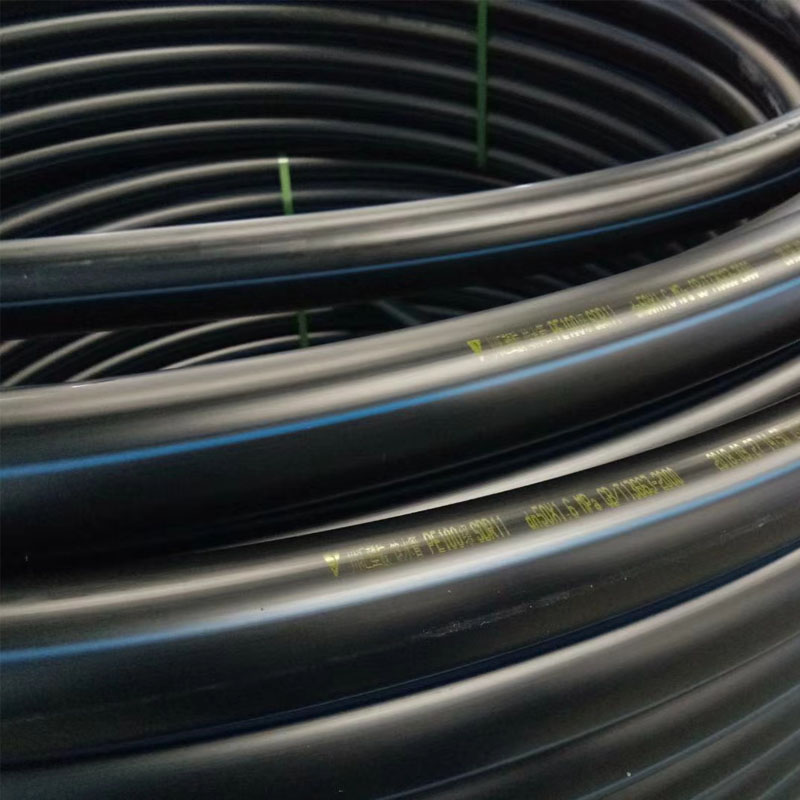
HDPE pipe exhibits excellent chemical resistance, making it suitable for transporting a wide range of fluids, including potable water, corrosive chemicals, and industrial waste. Its flexibility allows for installation in challenging terrains and minimizes the need for rigid support structures. The pipe's pressure rating is determined by its dimensions (diameter and wall thickness) and the polyethylene grade (MRS). Hydrostatic testing, as per ASTM D1597, is a standard quality control measure to verify the pipe's ability to withstand internal pressure. Force analysis during installation and operation must consider soil loading, burial depth, and potential external stresses. Environmental resistance is a key performance attribute; HDPE is largely unaffected by UV radiation (when properly stabilized), but prolonged exposure to high temperatures can reduce its mechanical properties. Compliance requirements vary by region and application. For potable water applications, NSF/ANSI 61 certification is often required to ensure the pipe doesn't leach harmful contaminants into the water supply. For gas transportation, compliance with regulations like DOT Part 192 (in the US) or EN 1555-2 (in Europe) is essential. The long-term creep resistance of HDPE is critical, particularly for high-stress applications. Detailed finite element analysis (FEA) is often employed to predict pipe behavior under various loading conditions and optimize designs for maximum service life.
Technical Specifications
| Parameter | PE63 (MRS 6.3 MPa) | PE80 (MRS 8.0 MPa) | PE100 (MRS 10.0 MPa) | ASTM D3350 Dimensions (inches) |
|---|---|---|---|---|
| Minimum Required Strength (MRS) | 6.3 MPa | 8.0 MPa | 10.0 MPa | 0.5" to 48" |
| Density (g/cm³) | 0.941 - 0.959 | 0.941 - 0.959 | 0.941 - 0.965 | N/A |
| Melt Flow Index (MFI) | Typically 0.3-1.0 g/10min | Typically 0.3-1.0 g/10min | Typically 0.1-0.5 g/10min | N/A |
| Maximum Operating Temperature (°C) | 40 | 40 | 60 | N/A |
| Hydrostatic Design Stress (HDS) | 2.5 MPa | 3.2 MPa | 4.0 MPa | N/A |
| Long-Term Hydrostatic Strength (LTS) | >80 years | >80 years | >100 years | N/A |
Failure Mode & Maintenance
Several failure modes can affect HDPE pipe performance. Slow Crack Growth (SCG) is a significant concern, often initiated by stress concentrations around imperfections or notches, exacerbated by sustained tensile stress and exposure to aggressive chemicals. Fatigue cracking can occur due to cyclic loading, particularly in applications involving ground movement or fluctuating pressures. Oxidation can degrade the polymer over time, especially at elevated temperatures. Joint failures are common due to improper fusion techniques, inadequate surface preparation, or material incompatibility. UV degradation, despite the presence of carbon black, can occur with insufficient UV stabilizer concentration or prolonged exposure. Maintenance primarily focuses on preventative measures. Regular visual inspections should be conducted to identify any signs of cracking, deformation, or joint leakage. Soil cover should be maintained to protect the pipe from UV exposure and mechanical damage. Pressure testing and leak detection surveys can help identify potential issues before they escalate. For repairs, mechanical couplings or cut-and-replace sections are commonly used. Careful consideration must be given to the compatibility of repair materials with the existing HDPE pipe. For pipeline operators, implementing a robust corrosion monitoring and mitigation strategy, as well as a comprehensive joint integrity program, is vital for maximizing the lifespan of their HDPE infrastructure.
Industry FAQ
Q: What is the impact of different pipe schedule numbers on the long-term performance of HDPE pipe?
A: Pipe schedule numbers (e.g., Schedule 40, Schedule 80) directly correlate to wall thickness. Thicker walls provide greater resistance to internal pressure, external loads, and slow crack growth. While a higher schedule number increases initial cost, it often results in a longer service life, particularly in demanding applications or environments. The HDS and LTS calculations are fundamentally linked to wall thickness, making schedule selection a critical engineering decision.
Q: How does the type of joint (butt fusion, electrofusion, mechanical) affect the overall system reliability?
A: Butt fusion and electrofusion typically create the strongest and most reliable joints, offering performance comparable to the pipe itself. However, they require skilled operators and strict adherence to process parameters. Mechanical fittings, while easier to install, introduce a potential point of failure if not properly selected and installed. The choice of jointing method should consider the application, pipe size, and operating conditions. Regular joint integrity testing is crucial regardless of the method used.
Q: What are the key considerations when selecting HDPE pipe for potable water applications?
A: NSF/ANSI 61 certification is paramount to ensure the pipe does not leach harmful substances into the water. The pipe material must be virgin grade HDPE, as recycled materials may contain contaminants. The pipe should be installed and maintained in accordance with industry best practices to prevent contamination. The pipe’s resistance to chlorine and other disinfection agents used in water treatment must also be verified.
Q: What is the effect of soil corrosivity on the longevity of buried HDPE pipe?
A: While HDPE is inherently corrosion-resistant, aggressive soil conditions (high chloride content, acidic pH, stray currents) can accelerate degradation. Protective coatings, cathodic protection, or increased burial depth may be necessary in highly corrosive environments. Thorough soil analysis is recommended prior to installation to assess the risk of corrosion.
Q: How can slow crack growth (SCG) be mitigated in HDPE pipe systems?
A: SCG mitigation involves minimizing sustained tensile stress, avoiding contact with aggressive chemicals, ensuring proper joint fusion, and selecting appropriate HDPE grades (PE100 is generally more resistant to SCG). Stress relieving techniques during installation, such as proper bedding and backfilling, are also critical. Regular inspections for early signs of cracking are essential for proactive maintenance.
Conclusion
HDPE pipe represents a durable and versatile solution for a wide range of fluid and gas conveyance applications. The success of any HDPE piping system hinges upon a deep understanding of the material’s properties, meticulous manufacturing processes, and diligent adherence to industry standards. The performance and longevity of the pipe are inextricably linked to proper material selection, installation techniques, and ongoing maintenance. Addressing the industry pain points of SCG, hydrostatic strength, and joint integrity is critical for maximizing the return on investment and ensuring safe, reliable operation.
Future advancements in HDPE technology will likely focus on enhanced polymer formulations with improved creep resistance and SCG performance, as well as more sophisticated non-destructive testing methods for early detection of defects. The continued development of trenchless installation techniques will further drive demand for flexible and durable HDPE piping solutions. A commitment to quality control within hdpe pipe suppliers factory operations and continuous improvement will be essential for meeting the evolving needs of the industry.
-
DN25 HDPE Compression Fitting-HORON INTERNATIONAL|Reliable Irrigation Solutions
NewsFeb.11,2026
-
china 12 pvc pipe price Performance Analysis
News2026-06-11
-
china ppr pipe 50mm Performance Analysis
News2026-06-11
-
china pvc stormwater pipe Performance Analysis
News2026-06-11
-
china ppr plumbing fittings Performance Analysis
News2026-06-11
-
china 25mm pvc pipe Technical Analysis
News2026-06-11
-
china pvc tubing Performance Analysis
News2026-06-10
-
china 1 2 ppr pipe Technical Analysis
News2026-06-10
-
china hdpe sewer pipe Performance Analysis
News2026-06-10
-
china dual wall corrugated pipe Performance Analysis
News2026-06-10
-
china pvc to hdpe coupling Performance Analysis
News2026-06-10
-
china purple pvc pipe Performance Analysis
News2026-06-09
-
china 15mm pvc pipe Performance Analysis
News2026-06-09
-
china ppr pipe 20mm price Performance Analysis
News2026-06-09
-
china hdpe pipe size chart Technical Specifications
News2026-06-09
-
china corrugated hdpe drain pipe Performance Analysis
News2026-06-09