

Feb . 11, 2026 00:01 Back to list
hdpe pipe suppliers factories Technical Performance Analysis
Introduction
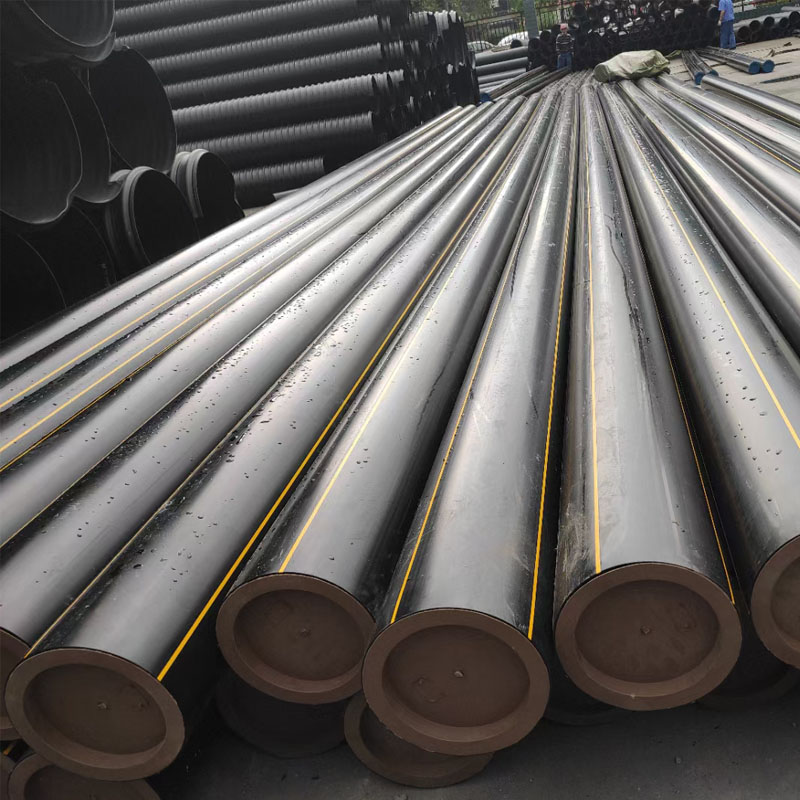
High-Density Polyethylene (HDPE) pipe represents a critical component in modern infrastructure, serving diverse applications ranging from potable water distribution and gas transmission to drainage and industrial fluid handling. HDPE pipe suppliers and factories are integral to these industries, providing a product demanded for its longevity, corrosion resistance, and cost-effectiveness. This guide provides an in-depth technical overview of HDPE pipe, addressing material science, manufacturing processes, performance characteristics, potential failure modes, and relevant industry standards. A primary pain point in the industry stems from inconsistent quality control across manufacturers, leading to premature failures and costly replacements. Selecting a reputable HDPE pipe supplier requires a thorough understanding of these technical aspects to ensure long-term system reliability and adherence to stringent regulatory requirements. HDPE's increasing adoption is also driving demand for specialized fabrication techniques and a deeper understanding of joining methods to maintain structural integrity and prevent leakage.
Material Science & Manufacturing
HDPE pipe is produced from a thermoplastic polymer derived from the polymerization of ethylene. The material’s density, typically between 0.931 and 0.965 g/cm³, directly influences its mechanical properties. Raw material grade selection is paramount; PE100 is the most commonly specified material for pressure applications, offering superior strength and slow crack growth resistance compared to PE80 or PE63. Manufacturing typically utilizes extrusion processes. HDPE resin is melted and forced through a die to create a continuous pipe. Key parameters during extrusion include melt temperature (typically 180-210°C), die pressure, and cooling rate. Precise control of these parameters is crucial to ensure uniform pipe wall thickness and minimize residual stresses. Bimodal HDPE resins, containing a blend of high and low molecular weight chains, are increasingly preferred for enhanced processing characteristics and improved environmental stress crack resistance (ESCR). Post-extrusion processes involve sizing, calibration, and cooling, followed by cutting to desired lengths. Quality control at this stage includes dimensional checks, hydrostatic testing, and impact resistance assessments. The degree of crystallinity within the HDPE matrix also affects its performance; higher crystallinity generally equates to increased stiffness and strength but may reduce impact toughness.
Performance & Engineering
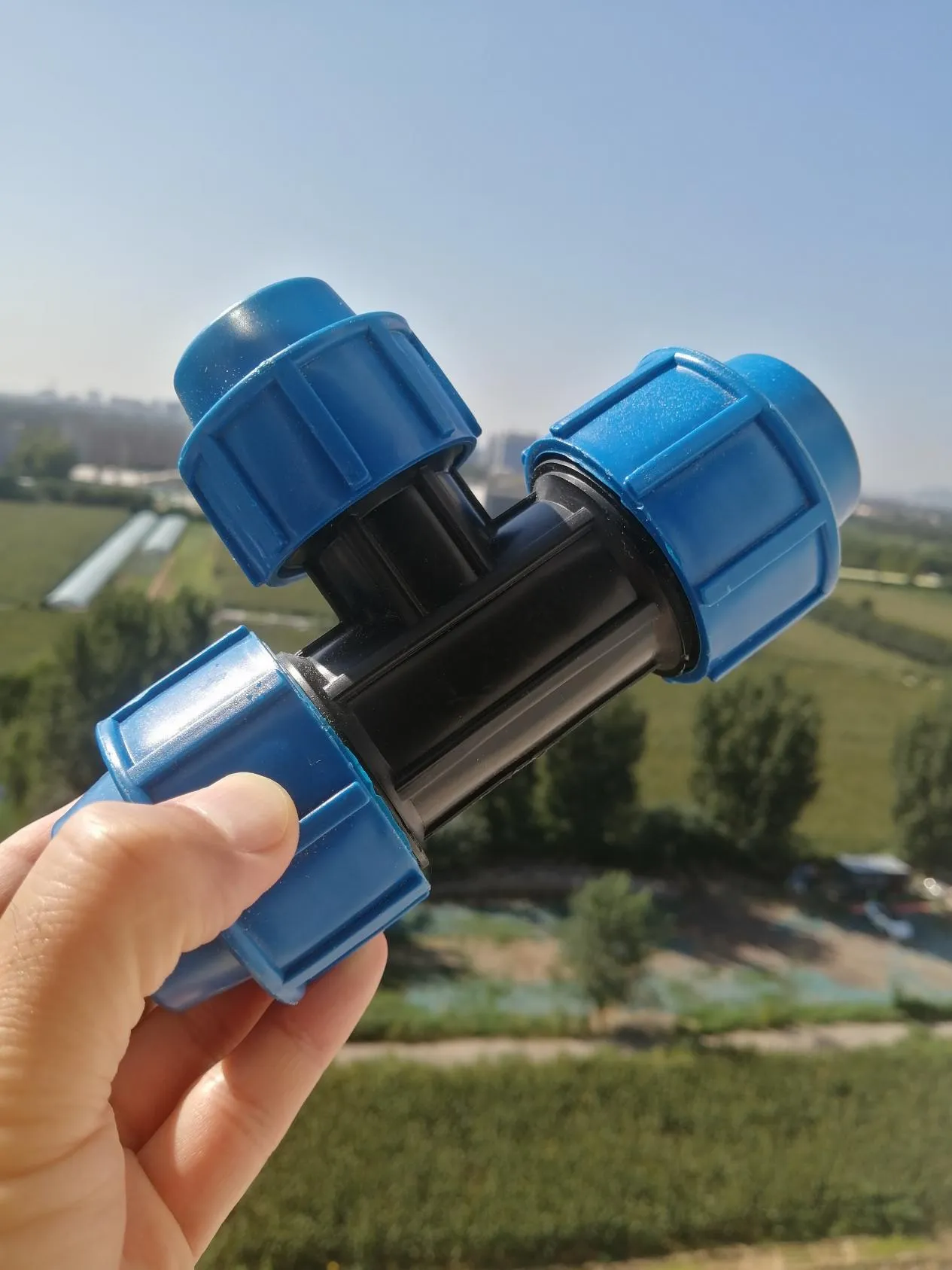
HDPE pipe’s performance is characterized by its high tensile strength (typically 20-30 MPa), excellent chemical resistance, and flexibility. A crucial engineering consideration is pressure containment. The Barlow formula (P = 2St/D) governs hoop stress in pressure pipes, where P is pressure, S is tensile strength, t is wall thickness, and D is pipe diameter. Therefore, accurate calculation of required wall thickness based on operating pressure and safety factors is essential. Environmental factors significantly impact performance. Long-term hydrostatic strength (LTHS) decreases with increasing temperature; manufacturers provide derating factors for elevated temperatures. HDPE’s susceptibility to slow crack growth (SCG) is a critical concern, particularly in the presence of residual stresses and aggressive environments. Pipe installation techniques, specifically proper bedding and backfill, are critical to minimize stress concentrations. For buried pipelines, soil composition and thermal conductivity influence operating temperatures and potential for ground movement. Compliance with relevant standards (e.g., ASTM D3261 for pressure rating) ensures the pipe meets minimum performance requirements. Furthermore, considerations for UV exposure are necessary; prolonged exposure degrades the material, necessitating the use of UV stabilizers or protective coatings.
Technical Specifications
| Parameter | Unit | Typical Value (PE100, SDR17) | Test Standard |
|---|---|---|---|
| Outside Diameter | mm | 110 | ASTM D2412 |
| Wall Thickness | mm | 6.5 | ASTM D2412 |
| Pressure Rating (PN) | bar | 16 | ISO 1167 |
| Tensile Strength (MRS) | MPa | 10.0 | ISO 1167 |
| Elongation at Yield | % | 350 | ASTM D638 |
| Impact Resistance (Charpy) | kJ/m² | >20 (at 23°C) | ISO 148-M |
Failure Mode & Maintenance
HDPE pipe failures can arise from several mechanisms. Slow Crack Growth (SCG) is a prevalent issue, initiated by residual stresses, aggressive chemicals, or pre-existing flaws. Environmental Stress Cracking (ESC) is closely related, occurring under sustained tensile stress in corrosive environments. Fatigue cracking can occur under cyclic loading, particularly at joints or fittings. UV degradation causes embrittlement and loss of mechanical properties. Oxidation can occur at elevated temperatures, leading to material deterioration. Joint failures, often attributed to improper fusion welding or inadequate preparation, are common. Maintenance strategies include regular visual inspections for cracks, leaks, or deformation. Hydrostatic testing can identify weaknesses in the pipeline. Proper joint fusion procedures are critical, including thorough surface cleaning, precise temperature control, and adequate fusion time. For buried pipelines, maintaining appropriate bedding and backfill materials is essential to prevent stress concentrations. Regular monitoring of cathodic protection systems (if applicable) is crucial to prevent corrosion of metallic components in contact with HDPE. Preventive maintenance, including periodic pressure testing and inspections of connections, significantly extends the lifespan of HDPE piping systems.
Industry FAQ
Q: What is the impact of surge pressure on HDPE pipe systems?
A: Surge pressure, or water hammer, can generate significant stress waves within the pipeline. HDPE's flexibility offers some inherent resistance, but excessive surge pressures can exceed the pipe’s pressure rating, leading to rupture or joint failure. Implementing surge protection devices such as surge tanks, air valves, or slow-closing valves is crucial to mitigate this risk. Accurate hydraulic modeling is necessary to predict surge pressures and design appropriate protection systems.
Q: How does the choice of fusion method (butt fusion vs. electrofusion) affect joint integrity?
A: Both butt fusion and electrofusion are common joining methods. Butt fusion creates a homogenous weld, offering high strength and long-term reliability, but requires skilled operators and precise alignment. Electrofusion provides more precise control over the fusion process and is suitable for smaller diameters and complex geometries. Improper execution of either method can lead to weak joints prone to failure. Electrofusion typically offers better traceability and data logging of fusion parameters.
Q: What are the considerations for installing HDPE pipe in varying soil conditions?
A: Soil type significantly influences HDPE pipe performance. Cohesive soils (clay) can exert significant external pressure, while granular soils (sand) offer less support. Proper bedding and backfill materials are essential to distribute loads evenly and prevent stress concentrations. In expansive soils, precautions must be taken to accommodate soil movement. Geotextile fabrics can provide separation and cushioning. Thorough soil analysis is recommended before installation.
Q: How does HDPE pipe compare to PVC pipe in terms of long-term performance and cost?
A: HDPE generally offers superior long-term durability and resistance to SCG compared to PVC. While PVC may have a lower initial cost, HDPE's longer lifespan and reduced maintenance requirements often result in a lower lifecycle cost. HDPE exhibits greater flexibility and impact resistance, making it more suitable for demanding applications. However, PVC may be preferable in certain applications where chemical resistance to specific substances is a primary concern.
Q: What is the role of UV stabilizers in HDPE pipe intended for outdoor use?
A: HDPE is susceptible to degradation from ultraviolet (UV) radiation, which causes chain scission and embrittlement. UV stabilizers, typically carbon black or other specialized additives, are incorporated into the HDPE formulation to absorb UV energy and protect the polymer. The concentration of UV stabilizers is critical; inadequate levels will result in premature degradation. Protective coatings or buried installation also mitigate UV exposure.
Conclusion
HDPE pipe offers a robust and versatile solution for a wide range of fluid conveyance applications. Its inherent advantages, including corrosion resistance, flexibility, and long lifespan, make it a preferred material in many industries. However, realizing its full potential requires a comprehensive understanding of material science, manufacturing processes, and engineering principles. Selecting a qualified HDPE pipe supplier and adhering to proper installation and maintenance practices are crucial to ensure long-term system reliability.
Future developments in HDPE pipe technology are focused on enhancing material properties, improving fusion techniques, and developing more sophisticated monitoring systems. The increasing emphasis on sustainability and infrastructure resilience will continue to drive demand for high-performance materials like HDPE. A commitment to continuous improvement and adherence to industry best practices will be essential for HDPE pipe suppliers to remain competitive and meet the evolving needs of the market.
-
DN25 HDPE Compression Fitting-HORON INTERNATIONAL|Reliable Irrigation Solutions
NewsFeb.11,2026
-
china ppr pipes in full Performance Engineering
News2026-06-12
-
china 63mm ppr pipe Technical Analysis
News2026-06-12
-
china pvc pipe is used for Performance Analysis
News2026-06-12
-
china hdpe pipe price list Performance Analysis
News2026-06-12
-
china ppr hot and cold water pipe Performance Analysis
News2026-06-12
-
china 12 pvc pipe price Performance Analysis
News2026-06-11
-
china ppr pipe 50mm Performance Analysis
News2026-06-11
-
china pvc stormwater pipe Performance Analysis
News2026-06-11
-
china ppr plumbing fittings Performance Analysis
News2026-06-11
-
china 25mm pvc pipe Technical Analysis
News2026-06-11
-
china pvc tubing Performance Analysis
News2026-06-10
-
china 1 2 ppr pipe Technical Analysis
News2026-06-10
-
china hdpe sewer pipe Performance Analysis
News2026-06-10
-
china dual wall corrugated pipe Performance Analysis
News2026-06-10
-
china pvc to hdpe coupling Performance Analysis
News2026-06-10