

Feb . 11, 2026 00:01 Back to list
hdpe couplings factories Performance Analysis
Introduction
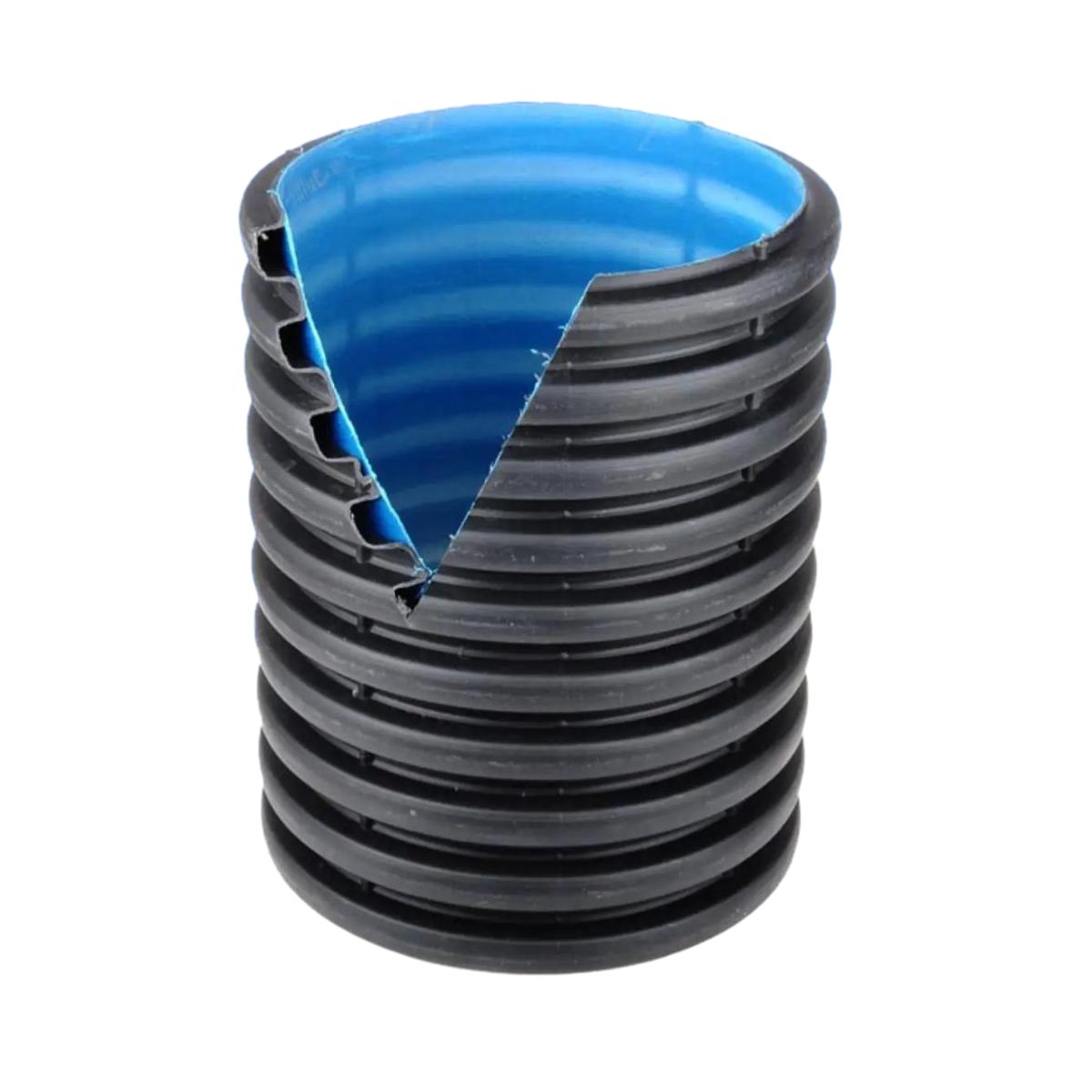
High-Density Polyethylene (HDPE) couplings are integral components within fluid handling systems, providing a secure and leak-proof joint for HDPE pipes. Found extensively in industries ranging from municipal water and wastewater management to irrigation, mining, and chemical processing, these couplings are critical for maintaining system integrity and operational efficiency. Unlike traditional metal couplings prone to corrosion, HDPE couplings offer superior chemical resistance and lighter weight. The manufacturing landscape of HDPE couplings, specifically ‘hdpe couplings factories’, is increasingly focused on process optimization, material consistency, and adherence to stringent international standards to meet the growing demand for reliable and durable piping solutions. This guide provides an in-depth examination of HDPE coupling technology, covering material science, manufacturing processes, performance characteristics, failure modes, and industry best practices.
Material Science & Manufacturing
HDPE couplings are primarily fabricated from high-density polyethylene resin, characterized by its linear polymer structure and high crystallinity. The raw material’s density, typically ranging from 0.941 to 0.965 g/cm³, directly influences the coupling's strength, stiffness, and chemical resistance. Key properties include excellent tensile strength (20-30 MPa), impact resistance (typically exceeding 5 kJ/m² notched Izod), and a low coefficient of friction. The manufacturing process typically involves injection molding for smaller diameter couplings and rotational molding or extrusion for larger sizes.
Injection Molding: This process involves melting HDPE pellets and injecting them under high pressure into a closed mold cavity. Precise temperature control (melt temperature between 180-220°C, mold temperature between 30-50°C) is crucial to prevent warping and ensure dimensional accuracy. Cycle times are relatively short, making it suitable for high-volume production. Key parameter control centers on injection pressure, holding pressure, cooling time, and melt flow rate. Improper control can lead to sink marks, weld lines, and inconsistent material density.
Rotational Molding: Used primarily for large-diameter couplings, this process involves heating a closed mold containing HDPE resin while rotating it biaxially. This ensures uniform wall thickness and eliminates stress concentrations. Temperature control is again paramount, with a typical heating cycle ranging from 150-250°C. The process is slower than injection molding but allows for complex geometries and seamless construction.
Extrusion: For certain coupling types, HDPE is extruded into a tube shape and then cut to length. This method is often used for producing saddle couplings or fittings with integrated lips. Precise control of die temperature, extrusion speed, and cooling rate is essential to maintain dimensional tolerances and prevent material degradation. The molecular weight distribution of the HDPE resin is critical; a broader distribution can improve processability but may slightly reduce long-term creep resistance.
Performance & Engineering
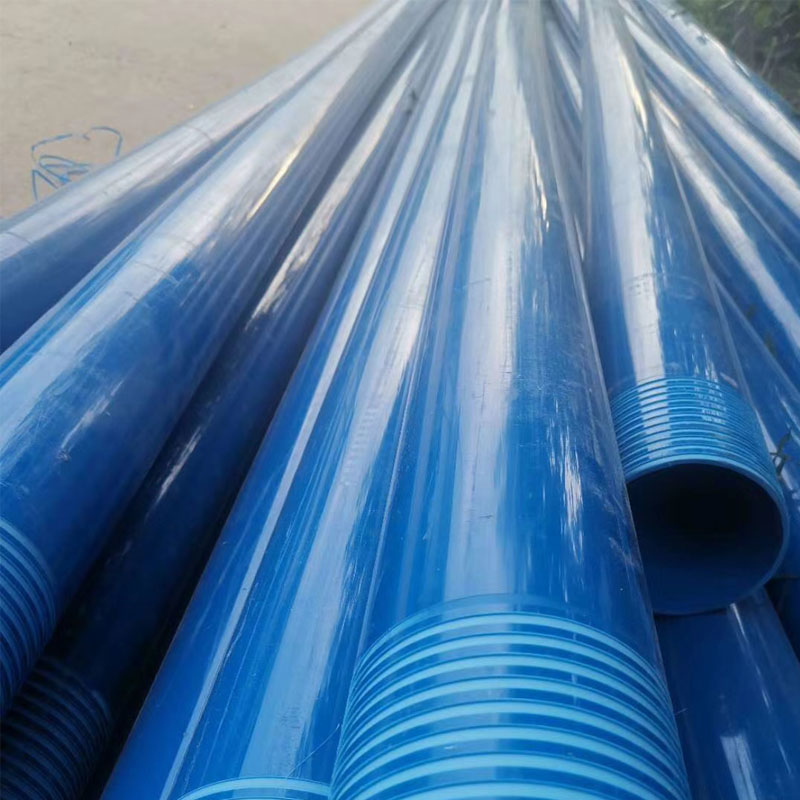
The primary function of an HDPE coupling is to provide a pressure-tight seal between pipe sections. Performance is critically dependent on the coupling’s ability to withstand internal pressure, external loads (soil loading, traffic loads), and environmental stresses (temperature fluctuations, UV exposure). Force analysis focuses on hoop stress generated by internal pressure, which must be less than the HDPE’s yield strength. The coupling’s geometry, particularly wall thickness and the design of the sealing mechanism (e.g., rubber gasket, fused joint), significantly influences its pressure-bearing capacity.
Environmental Resistance: HDPE exhibits excellent resistance to most chemicals, including acids, bases, and solvents, making it suitable for a wide range of applications. However, prolonged exposure to strong oxidizing agents can cause degradation. UV exposure can also lead to embrittlement over time; therefore, UV stabilizers are often incorporated into the HDPE resin. Temperature variations induce thermal expansion and contraction, which can stress the coupling joint. Proper installation techniques, allowing for some degree of flexibility, are crucial to accommodate these movements.
Compliance Requirements: HDPE couplings used in potable water systems must comply with NSF/ANSI 61 standards, ensuring that they do not leach harmful contaminants into the water. For pressure applications, couplings must meet the requirements of ISO 4427 or ASTM D3261, specifying hydrostatic pressure testing and burst pressure requirements. In wastewater applications, couplings must be resistant to corrosion from hydrogen sulfide and other aggressive compounds.
Technical Specifications
| Parameter | Unit | Typical Value (DN100 Coupling) | Testing Standard |
|---|---|---|---|
| Nominal Diameter | mm | 100 | ISO 4427 |
| Pressure Rating | Bar | 16 | ASTM D3261 |
| Material | - | HDPE (PE100) | ISO 4427 |
| Wall Thickness | mm | 4.5 | Manufacturer Specification |
| Operating Temperature Range | °C | -40 to 60 | ISO 4427 |
| Hydrostatic Test Pressure | Bar | 24 | ASTM D3261 |
Failure Mode & Maintenance
HDPE couplings, while durable, are susceptible to several failure modes. Fatigue cracking can occur under cyclic loading, particularly in areas of stress concentration (e.g., around weld seams or gasket seating areas). Creep, the time-dependent deformation under constant load, is more pronounced at elevated temperatures and can lead to joint separation. Environmental Stress Cracking (ESC) can occur in the presence of detergents or other chemicals, weakening the material and causing cracking. Gasket failure is a common issue, often caused by improper installation, degradation of the gasket material (typically EPDM or NBR), or excessive temperature variations. Oxidation can occur with prolonged UV exposure, leading to surface degradation and loss of mechanical properties.
Maintenance Solutions: Regular visual inspections are essential to identify any signs of cracking, deformation, or gasket leakage. Proper installation procedures, including correct alignment and torque specifications, are crucial to prevent premature failure. Protecting couplings from prolonged UV exposure (e.g., through painting or shielding) can extend their service life. Regularly check and replace gaskets according to manufacturer’s recommendations. For systems operating at high temperatures or pressures, consider using reinforced couplings with thicker walls and higher-grade HDPE resin. In cases of suspected ESC, identify and eliminate the source of the aggressive chemical. Proper storage of couplings, protected from sunlight and extreme temperatures, is also vital.
Industry FAQ
Q: What are the key differences between electrofusion and butt fusion welding for HDPE couplings?
A: Electrofusion welding utilizes an electrical current to melt the coupling and pipe, resulting in a homogenous weld with excellent strength and leak resistance. It is ideal for smaller diameters and field applications. Butt fusion, on the other hand, involves heating the pipe and coupling ends and pressing them together under controlled pressure. It is generally used for larger diameters and requires specialized equipment and skilled operators. Electrofusion offers more precise control and is less sensitive to weather conditions, while butt fusion is generally faster and more cost-effective for large-scale projects.
Q: How does the SDR (Standard Dimension Ratio) of an HDPE pipe affect the selection of a compatible coupling?
A: The SDR represents the ratio of the pipe's outer diameter to its wall thickness. A lower SDR indicates a thicker wall and higher pressure rating. The coupling must have a matching or higher pressure rating than the pipe it's connecting. Using a coupling with a lower pressure rating than the pipe will create a weak point in the system and potentially lead to failure. Always verify that the coupling's SDR is compatible with the pipe's SDR.
Q: What is the impact of soil corrosivity on the long-term performance of HDPE couplings used in underground applications?
A: Highly corrosive soils can accelerate the degradation of HDPE couplings, particularly if they contain high levels of sulfates or chlorides. While HDPE itself is chemically resistant, corrosion of surrounding metal components (e.g., restraint systems) can indirectly affect the coupling's integrity. Consider using corrosion-resistant restraint systems and applying protective coatings to couplings in aggressive soil environments.
Q: What type of gasket material is most suitable for HDPE couplings used in potable water systems?
A: EPDM (ethylene propylene diene monomer) rubber is the most commonly used gasket material for potable water applications due to its excellent resistance to water, chemicals, and UV radiation. It is also NSF/ANSI 61 certified, ensuring it does not leach harmful contaminants into the water. Other materials, such as NBR (nitrile butadiene rubber), may be suitable for specific applications but require careful consideration of their compatibility with the fluid being transported.
Q: What are the limitations of HDPE couplings in high-temperature applications?
A: While HDPE can withstand temperatures up to 60°C, its mechanical properties begin to degrade at higher temperatures. Creep becomes more pronounced, and the risk of pressure failure increases. For applications exceeding 60°C, alternative materials such as polypropylene (PP) or PVDF (polyvinylidene fluoride) should be considered. Careful assessment of the operating temperature and pressure is crucial when selecting couplings for high-temperature environments.
Conclusion
HDPE couplings represent a reliable and cost-effective solution for joining HDPE pipes across a diverse range of industrial applications. Their inherent chemical resistance, lightweight nature, and ease of installation make them a preferred choice over traditional metal couplings. However, proper material selection, adherence to stringent manufacturing processes, and meticulous installation are paramount to ensure long-term performance and prevent premature failure. The ‘hdpe couplings factories’ producing these components must prioritize quality control and compliance with international standards.
Future developments in HDPE coupling technology are likely to focus on enhancing their pressure-bearing capacity, improving resistance to environmental stress cracking, and developing smart couplings with integrated sensors for leak detection and performance monitoring. Continued research and development in HDPE resin formulations will also play a crucial role in extending the service life and expanding the application range of these essential components. The growing emphasis on sustainability and environmental responsibility will further drive the adoption of HDPE couplings as a viable alternative to less environmentally friendly materials.
-
DN25 HDPE Compression Fitting-HORON INTERNATIONAL|Reliable Irrigation Solutions
NewsFeb.11,2026
-
china pvc tubing Performance Analysis
News2026-06-10
-
china 1 2 ppr pipe Technical Analysis
News2026-06-10
-
china hdpe sewer pipe Performance Analysis
News2026-06-10
-
china dual wall corrugated pipe Performance Analysis
News2026-06-10
-
china pvc to hdpe coupling Performance Analysis
News2026-06-10
-
china purple pvc pipe Performance Analysis
News2026-06-09
-
china 15mm pvc pipe Performance Analysis
News2026-06-09
-
china ppr pipe 20mm price Performance Analysis
News2026-06-09
-
china hdpe pipe size chart Technical Specifications
News2026-06-09
-
china corrugated hdpe drain pipe Performance Analysis
News2026-06-09
-
china pvc pipe vs ppr pipe Performance Analysis
News2026-06-08
-
china irrigation hdpe pipe Performance Analysis
News2026-06-08
-
china hdpe pvc coupling Performance Analysis
News2026-06-08
-
china pvc pipe list Technical Analysis
News2026-06-08
-
china ppr water pipe suppliers Performance Analysis
News2026-06-08