

Feb . 11, 2026 00:01 Back to list
Wholesale HDPE Pipe Coupler Price Performance Analysis
Introduction
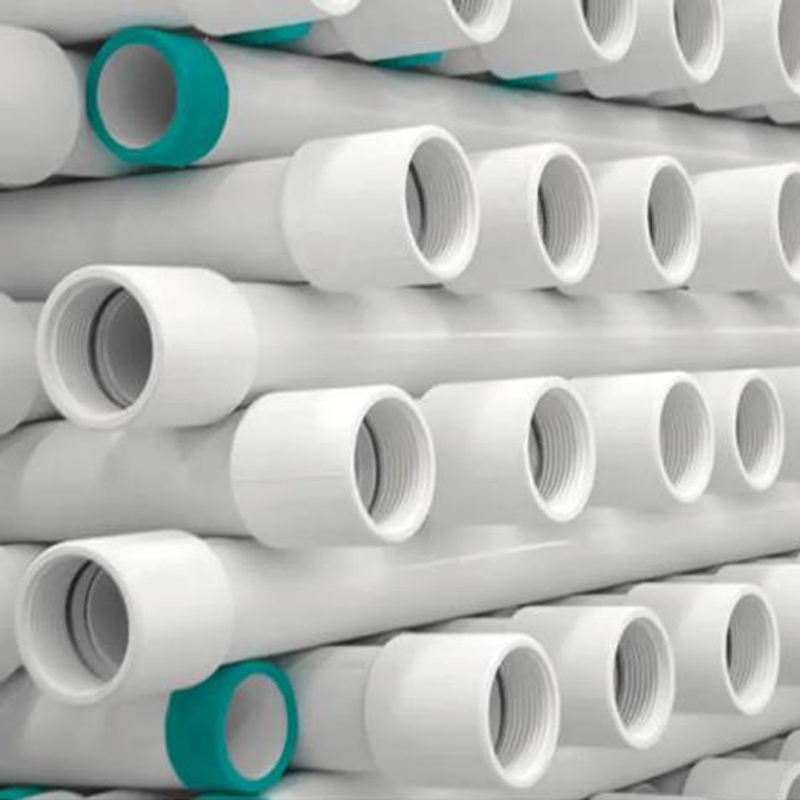
High-Density Polyethylene (HDPE) pipe couplers are critical components in joining sections of HDPE piping systems, predominantly used in water distribution, sewer systems, gas pipelines, and industrial applications. These couplers, offered at wholesale prices, provide a reliable, leak-proof connection essential for maintaining system integrity and operational efficiency. Unlike traditional joining methods like solvent cementing, mechanical couplers offer faster installation, reduced downtime, and adaptability to various pipe diameters and pressure classes. This technical guide delves into the material science, manufacturing processes, performance characteristics, potential failure modes, and relevant industry standards governing wholesale HDPE pipe coupler pricing and selection.
Material Science & Manufacturing
HDPE couplers are typically manufactured from high-density polyethylene resin, conforming to standards such as ASTM D3350. The HDPE used exhibits a high degree of crystallinity, contributing to its strength, rigidity, and chemical resistance. Raw material selection is paramount, with considerations given to Molecular Weight Distribution (MWD) and the melt flow index (MFI) which impact processability and final product properties. Manufacturing commonly involves injection molding. This process requires precise control of mold temperature (typically between 30-60°C), injection pressure (between 700-1200 bar), and cooling rates. The coupling’s internal geometry – including sealing grooves or gripping mechanisms – is crucial for achieving a watertight seal. Extrusion is also used to create the HDPE body itself. Post-molding operations often include stress relieving to minimize warpage and dimensional inconsistencies. The chemical compatibility of the HDPE material with the transported fluid is also a critical factor. Long-term exposure to certain chemicals can cause degradation, leading to cracking and eventual failure.
Performance & Engineering
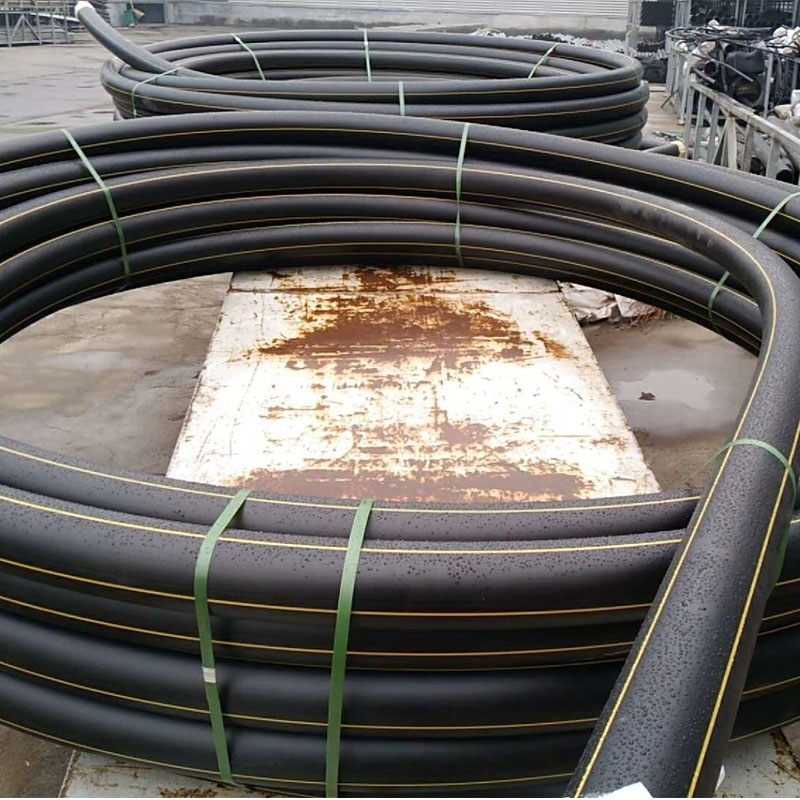
The performance of an HDPE pipe coupler is dictated by its ability to withstand internal pressure, external loads, and environmental stresses. Key engineering considerations include burst pressure, tensile strength, and creep resistance. Burst pressure testing, per ASTM D1597, determines the coupler’s maximum capacity before failure. Tensile strength, measured according to ISO 527-2, assesses the material’s resistance to stretching and breaking under load. Creep resistance, the ability to resist deformation under sustained stress, is particularly important for long-term performance in buried applications. Finite Element Analysis (FEA) is frequently employed during the design phase to optimize coupler geometry and predict stress distribution under various loading conditions. Environmental resistance is another crucial aspect, particularly UV degradation. HDPE is susceptible to UV damage, leading to embrittlement. Couplers intended for above-ground applications require UV stabilization additives, typically carbon black, to mitigate this effect. Soil corrosivity also impacts performance; aggressive soil conditions can accelerate degradation of the HDPE material. Proper backfilling procedures and the use of protective sleeving can minimize these risks. Compliance with industry standards like AWWA C906 ensures that the couplers meet specific performance criteria for potable water applications.
Technical Specifications
| Parameter | Unit | Specification Range | Test Standard |
|---|---|---|---|
| Nominal Pipe Size | inch | 0.5 – 6 | ASTM D1785 |
| Pressure Rating | psi | 100 – 200 | ASTM D1597 |
| Material | - | PE3408/PE4710 | ASTM D3350 |
| Burst Pressure | psi | > 4x Pressure Rating | ASTM D1597 |
| Tensile Strength | MPa | > 20 | ISO 527-2 |
| Operating Temperature Range | °C | -40 – 60 | ASTM D3350 |
Failure Mode & Maintenance
Common failure modes for HDPE pipe couplers include joint separation due to inadequate insertion, cracking from over-tightening or excessive stress, and chemical degradation. Fatigue cracking can occur in applications subjected to cyclic loading, particularly in buried pipelines experiencing ground movement. Delamination can result from improper welding procedures (in cases of heat fusion couplers) or contamination during assembly. Oxidation, particularly at elevated temperatures, can lead to embrittlement and reduced impact resistance. Corrosion-induced stress cracking (CISC) can occur when exposed to certain chemicals under tensile stress. Preventative maintenance involves regular visual inspections for cracks, leaks, or signs of degradation. Proper installation, adhering to manufacturer's instructions and relevant standards, is critical to preventing failures. Correct pipe insertion depth and adequate support are essential. Periodic pressure testing can help identify leaks or weaknesses in the system. For mechanical couplers, ensuring the proper torque is applied to the locking mechanisms is crucial. In the event of a failure, a thorough failure analysis should be conducted to determine the root cause and prevent recurrence. This may involve microscopic examination of the fractured surfaces to identify the failure mechanism.
Industry FAQ
Q: What are the advantages of using mechanical HDPE couplers over solvent cement?
A: Mechanical couplers offer several advantages: faster installation, eliminating curing time; suitability for wet conditions where solvent cement is ineffective; ability to disassemble and reassemble the connection if needed; and reduced VOC emissions compared to solvent cement.
Q: How does the material grade (PE3408 vs. PE4710) affect coupler performance?
A: PE4710 generally offers higher strength and creep resistance compared to PE3408, making it suitable for higher pressure applications and larger diameter pipes. PE3408 is often sufficient for lower pressure, smaller diameter systems.
Q: What is the recommended torque for tightening mechanical HDPE coupler grips?
A: Recommended torque values vary depending on the coupler size and manufacturer. Always refer to the manufacturer’s specifications for the precise torque requirements. Over-tightening can damage the coupler and pipe, while under-tightening can lead to leaks.
Q: How should HDPE pipe couplers be stored before installation?
A: HDPE pipe couplers should be stored in a cool, dry, and well-ventilated area, away from direct sunlight and extreme temperatures. They should be protected from physical damage and contamination. Stacking should be limited to avoid deformation.
Q: What is the impact of soil corrosivity on the long-term performance of buried HDPE couplers?
A: Aggressive soil conditions (e.g., high sulfate content, low pH) can accelerate the degradation of HDPE, leading to cracking and failure. Protective sleeving, proper backfilling procedures, and careful site selection can mitigate these risks. Conducting a soil analysis prior to installation is recommended.
Conclusion
Wholesale HDPE pipe couplers are integral components of robust and reliable piping systems. Their performance is intrinsically linked to material selection, manufacturing precision, and adherence to established engineering principles and industry standards. A comprehensive understanding of the material science – particularly the properties of HDPE – and potential failure modes is crucial for ensuring long-term system integrity.
Selecting the appropriate coupler for a specific application requires careful consideration of factors such as pipe size, pressure rating, operating temperature, and environmental conditions. Proper installation, preventative maintenance, and rigorous quality control are all essential for maximizing the lifespan and minimizing the risk of failure in wholesale HDPE pipe coupler applications.
-
DN25 HDPE Compression Fitting-HORON INTERNATIONAL|Reliable Irrigation Solutions
NewsFeb.11,2026
-
HDPE Pipe Sizes Service Performance Analysis
News2026-10-26
-
wholesale 15mm ppr pipe Material Science and Performance Analysis
News2026-10-20
-
wholesale pvc pipe price per foot Technical Analysis
News2026-09-21
-
wholesale long pvc pipe Technical Analysis and Manufacturing Specifications
News2026-09-15
-
wholesale plumbing kitchen sink water lines Material Performance
News2026-09-15
-
wholesale hdpe drip irrigation Material Science
News2026-09-15
-
wholesale hot water ppr pipe Performance Analysis
News2026-09-15
-
wholesale ppr plumbing Performance Analysis
News2026-09-15
-
wholesale ppr pipe supplier Performance Analysis
News2026-09-13
-
wholesale 50mm ppr pipe Performance Analysis
News2026-09-13
-
wholesale hdpe drip pipe Performance Analysis
News2026-09-13
-
wholesale hdpe pipe 63mm price Manufacturing Specification and Performance Analysis
News2026-09-13
-
wholesale hdpe pipe for potable water Manufacturing and Performance
News2026-09-13
-
wholesale pipe hdpe size Technical Analysis
News2026-09-12
-
wholesale coupler for hdpe pipe Performance Analysis
News2026-09-12