

Feb . 11, 2026 00:01 Back to list
wholesale 1 ppr pipe Performance Analysis
Introduction
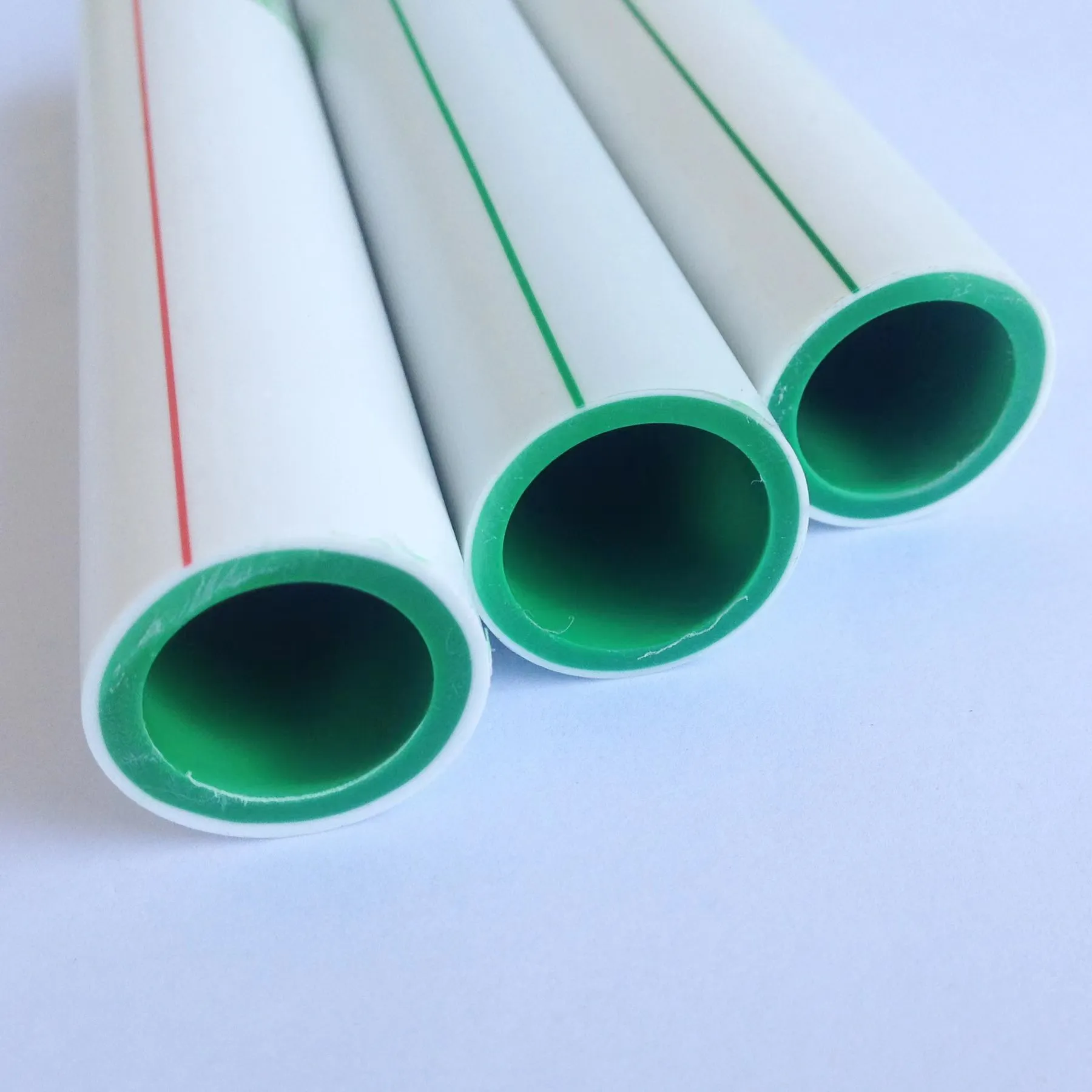
Polypropylene Random (PPR) pipe, specifically 1 ppr pipe designated for wholesale distribution, represents a significant advancement in fluid conveyance systems. Positioned within the building materials and infrastructure supply chain, PPR pipe serves as a direct replacement for traditional metallic piping in a wide array of applications, including potable water distribution, heating systems, and industrial fluid transport. Its core performance characteristics center around excellent chemical resistance, thermal stability, and a smooth inner surface minimizing friction loss. This guide provides a comprehensive technical overview for procurement managers, engineers, and quality control personnel involved in the specification, installation, and maintenance of wholesale 1 ppr pipe, focusing on material science, manufacturing processes, performance parameters, potential failure modes, and relevant industry standards. A critical pain point in the industry is ensuring consistent material quality and adherence to pressure/temperature ratings, impacting long-term system reliability and minimizing costly failures. This document addresses those concerns in detail.
Material Science & Manufacturing
The foundational material for 1 PPR pipe is polypropylene random copolymer. This polymer is characterized by its random arrangement of propylene monomers, contributing to improved impact resistance and flexibility compared to homopolymer polypropylene. Key physical properties include a density of approximately 0.905 g/cm³, a glass transition temperature (Tg) around 0°C, and a melting point typically between 130°C and 170°C, depending on the specific formulation. Chemical resistance is excellent against a broad spectrum of acids, alkalis, and salts, however, long-term exposure to strong oxidizing agents should be avoided. Manufacturing typically involves extrusion molding. Raw PPR granules are fed into an extruder, melted, and then forced through a die to form the pipe’s shape. Critical parameters during extrusion include melt temperature (typically 190-240°C), extrusion speed, and die pressure. Maintaining consistent melt temperature is vital to ensure homogenous material properties throughout the pipe wall. Post-extrusion, the pipe undergoes cooling and sizing. Socket fusion welding, butt fusion welding, and electrofusion welding are common joining techniques, each requiring precise temperature control to achieve reliable, leak-proof connections. The quality of the PPR resin used, often classified as Type 3 according to DIN 8077/8078, directly impacts the pipe's long-term performance. Degradation of the polymer during processing (thermal oxidation) can lead to reduced mechanical strength and increased brittleness.
Performance & Engineering
The performance of 1 PPR pipe is governed by several engineering considerations. Hydrostatic strength, assessed through short-term and long-term hydrostatic pressure tests (as per ISO 1167), is a critical parameter, with typical pressure ratings ranging from PN10 (1.0 MPa) to PN25 (2.5 MPa). Temperature resistance is another key factor, with PPR capable of withstanding continuous operating temperatures up to 70°C, and short-term peak temperatures up to 95°C. Force analysis, especially during installation and operation, must account for thermal expansion and contraction. PPR has a coefficient of thermal expansion significantly higher than metallic pipes (approximately 0.15 mm/m·K), necessitating the use of expansion loops or flexible connectors to prevent stress buildup and potential cracking. Environmental resistance considerations include UV exposure. Prolonged exposure to ultraviolet radiation can cause surface degradation and embrittlement, therefore, pipes installed outdoors must be UV-stabilized or protected from direct sunlight. Compliance requirements vary by region, but generally include adherence to potable water standards (e.g., NSF/ANSI 61) and building codes related to plumbing and heating systems. Detailed stress-strain analysis is recommended for complex piping layouts, particularly those involving bends, fittings, and supports, to ensure structural integrity and prevent premature failure.
Technical Specifications
| Parameter | Unit | PN10 (Typical) | PN16 (Typical) |
|---|---|---|---|
| Nominal Diameter | mm | 20-160 | 20-160 |
| Pressure Rating | MPa | 1.0 | 1.6 |
| Operating Temperature (Continuous) | °C | -20 to 70 | -20 to 70 |
| Short Term Temperature (Max 1 Hour) | °C | 95 | 95 |
| Hydrostatic Pressure Test (Short Term) | MPa | 1.5 | 2.4 |
| Hydrostatic Pressure Test (Long Term) | MPa | 0.8 | 1.2 |
Failure Mode & Maintenance
Several failure modes are commonly observed in 1 PPR pipe installations. Fatigue cracking can occur at stress concentration points, such as around fittings or where the pipe is subjected to repeated bending. Delamination, or separation of layers within the pipe wall, can result from improper welding or material defects. Chemical attack, although rare, can occur with prolonged exposure to incompatible chemicals, leading to wall thinning and eventual failure. Oxidation, caused by high temperatures and exposure to oxygen, can embrittle the polymer over time. Joint failures are particularly prevalent, often stemming from insufficient cleaning or improper welding parameters. Maintenance primarily involves visual inspection for leaks, cracks, or signs of degradation. Regular pressure testing can identify potential weaknesses before catastrophic failure occurs. For minor leaks, socket fusion re-welding may be a viable repair option, but for extensive damage, pipe replacement is typically necessary. Preventative maintenance includes protecting pipes from UV exposure, ensuring proper support and anchoring to minimize stress, and adhering to recommended welding procedures. Performing regular water quality analysis can also help identify potential corrosive elements that could accelerate pipe degradation.
Industry FAQ
Q: What are the primary differences between PPR Type 1, Type 2, and Type 3, and which is recommended for potable water applications?
A: PPR Type 1 is generally used for cold water applications, possessing lower pressure and temperature resistance. Type 2 is a compromise, suitable for both cold and hot water, but with limited temperature capacity. PPR Type 3, conforming to DIN 8077/8078, is the preferred choice for potable water systems due to its superior long-term hydrostatic strength, resistance to chlorine, and compliance with relevant drinking water regulations. It offers the highest performance characteristics and is generally the only type certified for continuous hot water applications.
Q: How does the weld quality impact the long-term performance of a PPR piping system?
A: Weld quality is paramount. Insufficient heating, inadequate pressure during fusion, or contamination at the welding interface can all lead to weak joints prone to failure. Proper welding requires skilled technicians, calibrated welding tools, and thorough cleaning of pipe ends before fusion. Non-destructive testing methods, such as visual inspection and ultrasonic testing, can be employed to verify weld integrity.
Q: What is the effect of water hammer on PPR pipe systems, and how can it be mitigated?
A: Water hammer, the pressure surge caused by sudden changes in flow, can induce significant stress on PPR pipes and joints. It can lead to fatigue cracking and premature failure. Mitigation strategies include installing water hammer arrestors, using slow-closing valves, and providing adequate pipe support to prevent movement during pressure surges. Proper system design, considering flow velocities and valve placement, is also crucial.
Q: What are the limitations of PPR pipe regarding chemical compatibility?
A: While PPR exhibits excellent resistance to many common chemicals, it is susceptible to degradation by strong oxidizing agents like concentrated nitric acid and some solvents. Exposure to these substances can cause swelling, cracking, or discoloration. It’s vital to verify chemical compatibility before using PPR pipe in industrial applications where exposure to aggressive chemicals is anticipated.
Q: What is the typical service life expectancy of a properly installed and maintained PPR piping system?
A: A properly installed and maintained PPR piping system can reasonably be expected to have a service life of 50 years or more under typical operating conditions. However, this is dependent on factors such as water quality, operating temperature, pressure fluctuations, and exposure to UV radiation. Regular inspections and preventative maintenance are essential to maximizing service life.
Conclusion
Wholesale 1 PPR pipe offers a robust and cost-effective solution for a wide range of fluid conveyance applications. Its inherent properties – excellent chemical resistance, thermal stability, and ease of installation – make it a compelling alternative to traditional metallic piping systems. However, successful implementation requires a thorough understanding of material science principles, proper manufacturing controls, and adherence to established engineering practices. Addressing the core pain points of quality control and weld integrity is paramount to ensuring long-term system reliability.
Future development will likely focus on enhancing UV resistance, improving welding techniques, and exploring new PPR formulations with even higher temperature and pressure ratings. Further research into the long-term effects of various water chemistries on PPR pipe performance is also warranted. By embracing these advancements and prioritizing best practices, the industry can continue to leverage the benefits of PPR pipe for sustainable and efficient fluid transport solutions.
-
DN25 HDPE Compression Fitting-HORON INTERNATIONAL|Reliable Irrigation Solutions
NewsFeb.11,2026
-
HDPE Pipe Sizes Service Performance Analysis
News2026-10-26
-
wholesale 15mm ppr pipe Material Science and Performance Analysis
News2026-10-20
-
wholesale pvc pipe price per foot Technical Analysis
News2026-09-21
-
wholesale long pvc pipe Technical Analysis and Manufacturing Specifications
News2026-09-15
-
wholesale plumbing kitchen sink water lines Material Performance
News2026-09-15
-
wholesale hdpe drip irrigation Material Science
News2026-09-15
-
wholesale hot water ppr pipe Performance Analysis
News2026-09-15
-
wholesale ppr plumbing Performance Analysis
News2026-09-15
-
wholesale ppr pipe supplier Performance Analysis
News2026-09-13
-
wholesale 50mm ppr pipe Performance Analysis
News2026-09-13
-
wholesale hdpe drip pipe Performance Analysis
News2026-09-13
-
wholesale hdpe pipe 63mm price Manufacturing Specification and Performance Analysis
News2026-09-13
-
wholesale hdpe pipe for potable water Manufacturing and Performance
News2026-09-13
-
wholesale pipe hdpe size Technical Analysis
News2026-09-12
-
wholesale coupler for hdpe pipe Performance Analysis
News2026-09-12